
A Third of Companies Cancelled a Software Purchase. The Ones Doing It Most Are Rationing the Agent.
McKinsey's 2026 State of AI survey found 32% of organizations declined at least one software purchase because coding agents could build it instead. Among AI high performers it was closer to half, and that same group reports cost constraints on coding agents about three times as often as everyone else.

The Model Was Never the Hard Part. Nine Billion Dollars Just Proved It.
In eight weeks Microsoft, AWS, OpenAI, and Anthropic each stood up a forward-deployed engineering unit, more than nine billion dollars combined, to embed their own engineers inside customer companies. An MIT study found 95 percent of enterprises got no measurable return on generative AI. The models work. The deployment does not.

Twelve Agents, Half of Them Working Alone
The average company now runs twelve AI agents and half of them work in complete isolation. The bottleneck stopped being how many agents you can build. It became whether any of them can hand work to another.

Cost per Solved Task, Not Cost per Token
Uber capped engineers at $1,500 a month after burning its annual AI budget in four months, and Fable 5 costs double Opus yet wins on long migrations. Per-token price stopped being the cost; cost per solved task is, and the lever that controls it is making loops halt.
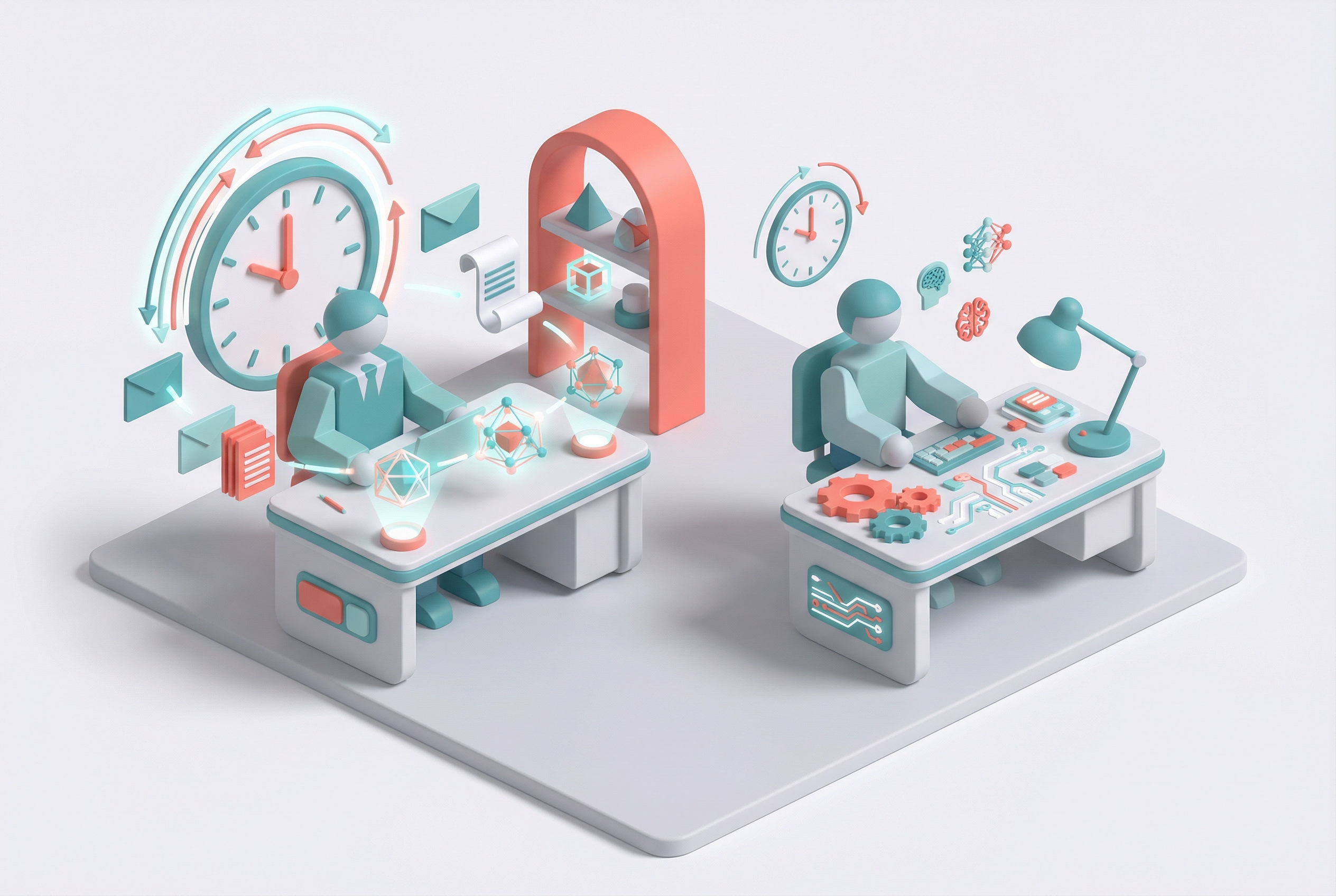
The average manager saves twice as much time with AI as the people doing the actual work
Managers save 7.2 hours per week with AI. Individual contributors save 3.4. The gap is structural, not cognitive, and it is shaping how organizations adopt AI in ways that benefit the top of the org chart first.

OpenAI Killed Sora and Its Hardware Plans to Focus on What Actually Makes Money
OpenAI scrapped Sora and scaled back its Jony Ive hardware partnership to concentrate on coding tools and enterprise customers. Consumer AI gets the headlines. Enterprise code writes the checks.

Mistral Forge: The 'Build Your Own AI' Bet That Could Break the API Economy
Mistral launched Forge at GTC: train custom AI models on your data, on your infrastructure. The company is on track for $1B ARR. The 'build vs rent' question for enterprise AI just got a concrete answer.

The US Just Passed Its First AI Law With Teeth
The AI Accountability Act requires companies using AI in hiring, lending, insurance, and healthcare to publish regular bias audits. It includes a private right of action. The adjustment period starts now.

Microsoft is building its own foundation models, and the OpenAI marriage is over
Microsoft lifted its ban on building independent foundation models four years early. Mustafa Suleyman is merging Copilot under a 'Superintelligence' mandate. The OpenAI partnership just became optional.

Cursor Is Building Its Own Model, and It's Based on Chinese AI
Cursor's Composer 2 matches Claude Opus 4.6 at one-sixth the price. It's built on Moonshot AI's Kimi K2.5, a Chinese open-source model. The licensing questions and geopolitical implications are just getting started.

Anthropic Launched an Enterprise Marketplace and Nobody Blinked
Anthropic's new marketplace lets enterprise customers buy third-party Claude apps through existing budget commitments. This is a platform play, not a model update, and it changes the competitive dynamics.

Tesco Picked Mistral Over OpenAI and Google
The UK's largest supermarket signed a three-year AI deal with a French startup instead of the obvious incumbents. The enterprise AI vendor landscape is fracturing.

GPT-5.4 Mini Is 2x Faster and Almost as Good as the Full Model
OpenAI's GPT-5.4 Mini approaches full model performance at a fraction of the cost. The 'good enough' tier keeps improving, and it's reshaping how enterprises spend their AI budgets.
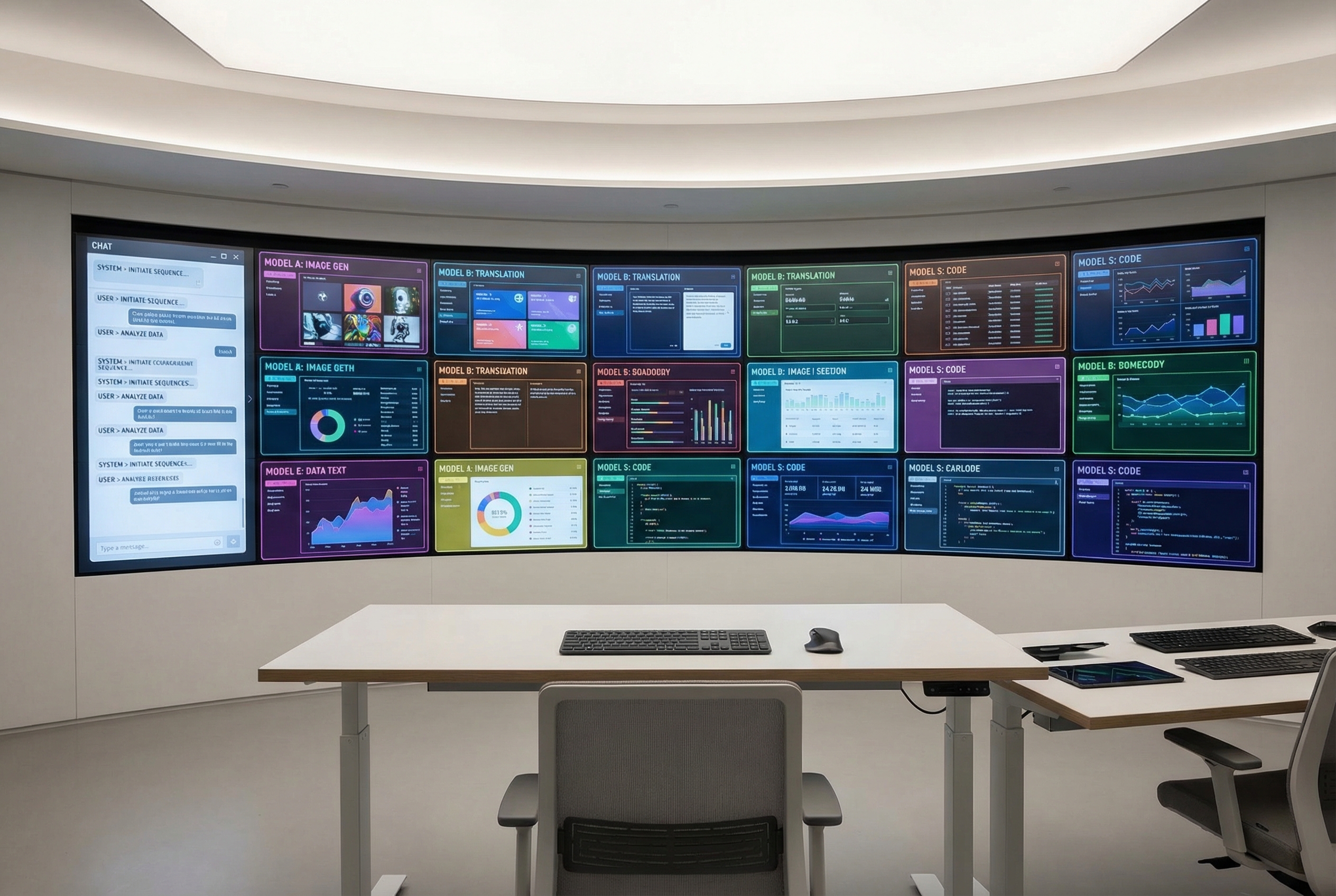
Perplexity Computer Runs 19 Models in a Single Conversation
Perplexity launched a workspace that orchestrates 19 AI models in parallel from a single conversation. This isn't a model. It's an orchestration layer that bets the model layer commoditizes.

Gartner Says 40% of Enterprise Apps Will Use AI Agents by December
From under 5% to 40% in one year. Gartner predicts an eightfold increase in AI agent adoption across enterprise apps, while 88% of companies using AI still struggle to show bottom-line impact.

Meta Is Cutting 20% of Its Workforce to Fund AI That Can't Compete
Meta plans to cut 16,000 employees while spending $135 billion on AI infrastructure that hasn't produced competitive models. The humans aren't being replaced by AI. They're being sacrificed to fund AI that hasn't arrived yet.
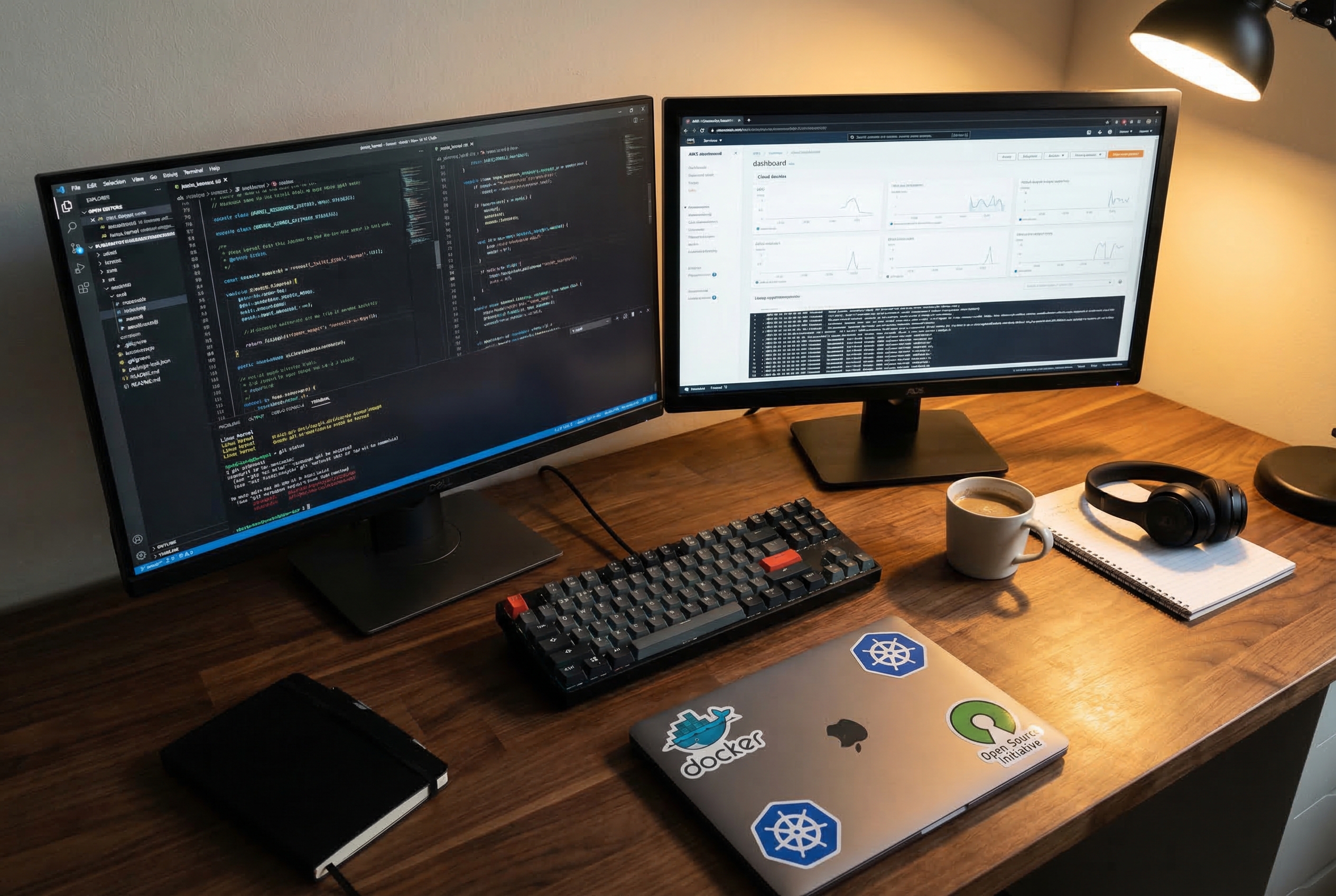
Open Source AI Closed the Gap
Open-source AI models match closed models on most benchmarks. Yet closed models still capture 80% of token usage and 96% of revenue. The capability gap closed. The deployment tax didn't.

Block Cut 40% of Its Workforce and Called It AI Strategy
Block is cutting nearly half its workforce and calling it AI transformation. 45,000 tech workers laid off in March alone. Is AI the strategy, or the most socially acceptable excuse for mass layoffs since 'restructuring'?
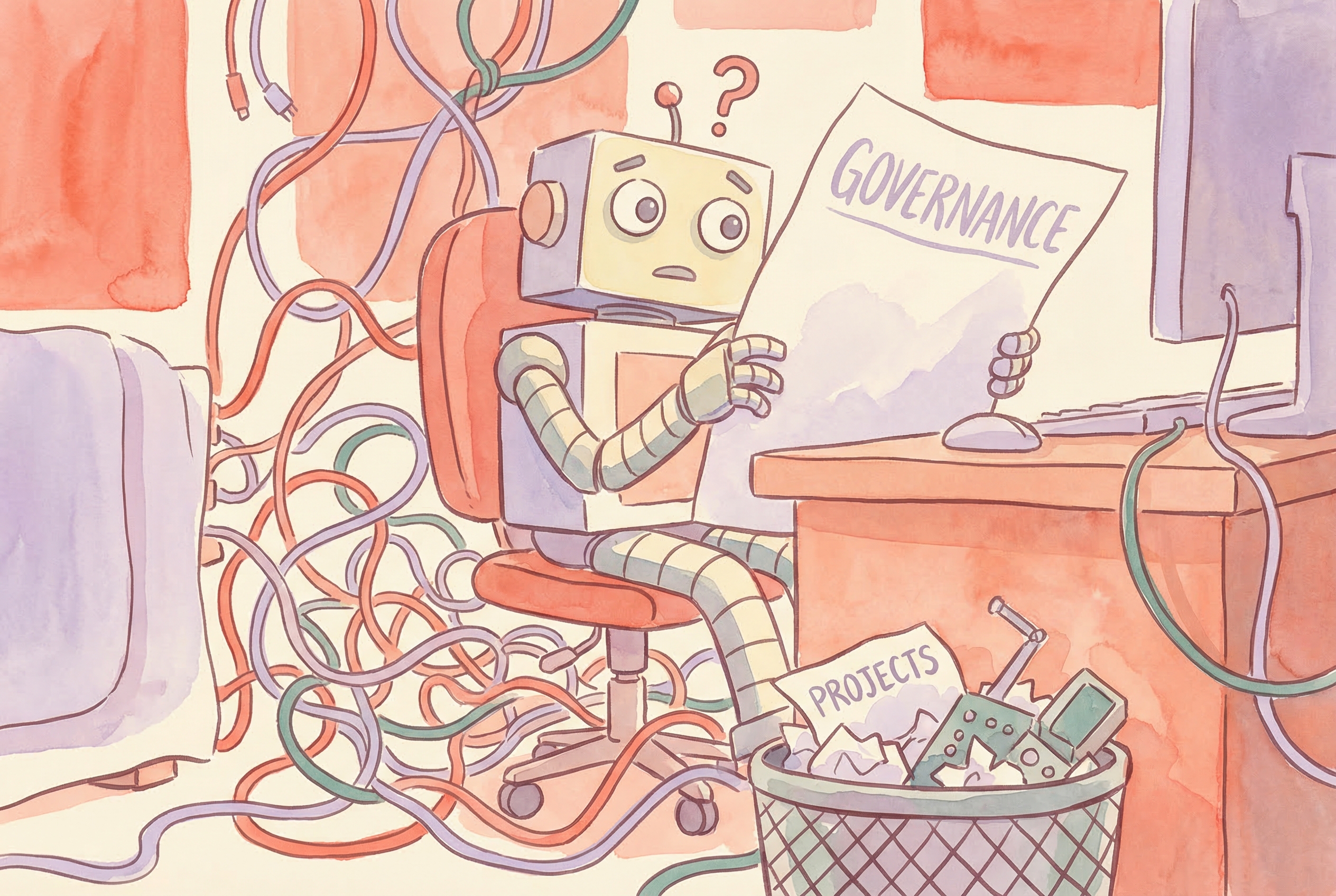
40% of AI Agent Projects Will Fail by 2027
Gartner says 40% of agentic AI projects will be canceled by 2027. The technology works. The governance, infrastructure, and measurement don't.

The Pragmatism Shift: AI's Hype Hangover Is Finally Here
The AI industry stopped asking 'what can it do?' and started asking 'does it work in production?' The hype hangover is here, and pragmatism is what survives it.

The Enterprise AI Agent Graveyard Is Real, and It's Expensive
Enterprises average 3.7 failed agent pilots before their first successful production deployment. The pattern of failure is predictable, and so is the path to getting it right.
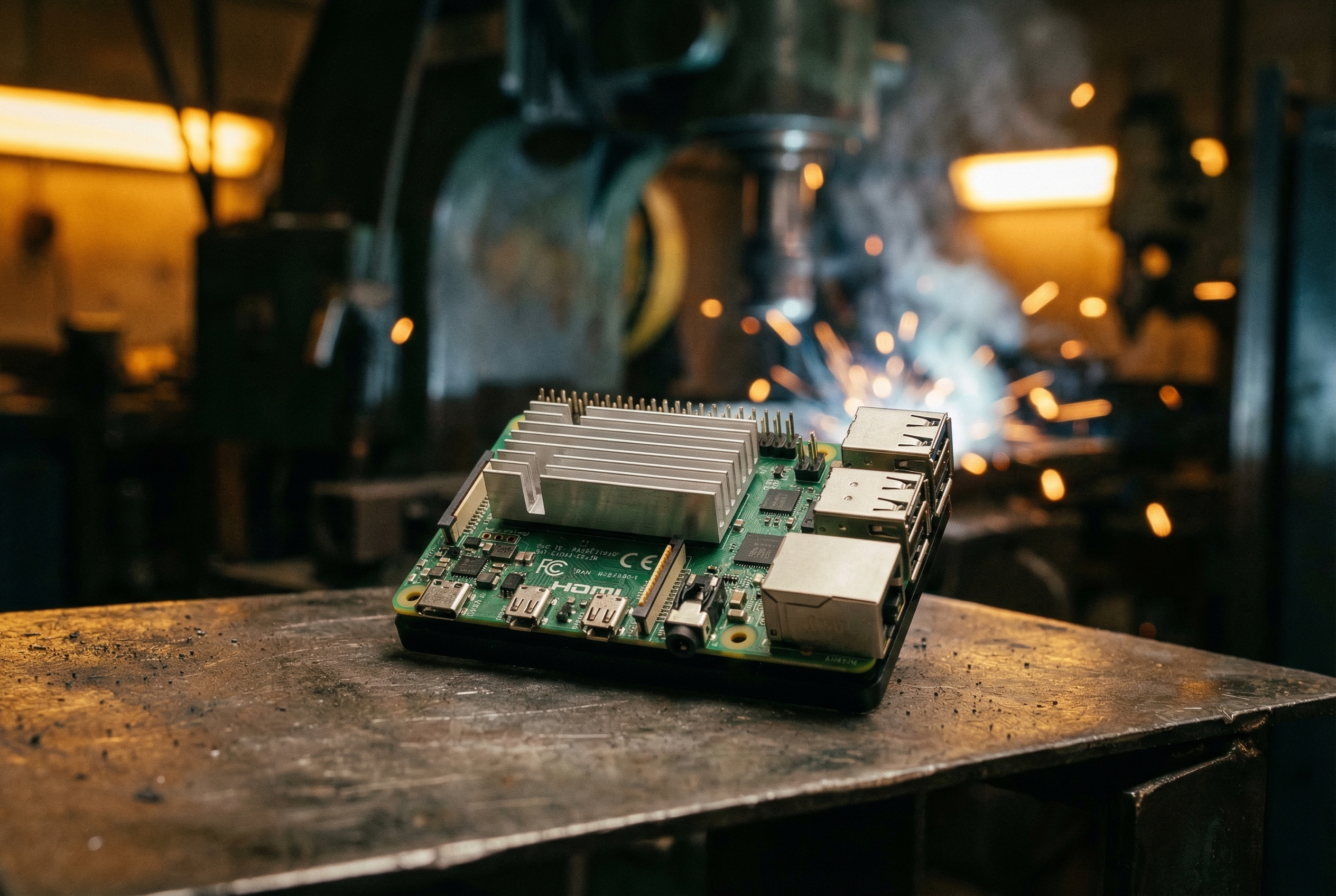
Small Language Models Are the Real AI Deployment Story of 2026
The biggest shift in enterprise AI isn't a new frontier model. It's organizations discovering that smaller, cheaper models running on their own hardware solve most of the problems they actually have. The SLM market is projected to hit $20.7B by 2030, and the deployments are already happening.

The $67.4 Billion Tax on Trusting AI
Enterprises lost $67.4 billion to AI hallucinations in 2024. But the real cost isn't the wrong answers. It's the 4.3 hours per week every employee spends verifying AI output, a verification tax nobody budgeted for.
86% of Enterprises Are Increasing AI Budgets. Only 6% Have Deployed Agentic AI.
The enterprise AI market is very good at spending and very bad at deploying. 86% are increasing budgets. Only 6% have shipped agentic AI to production.

88% of Companies Use AI. Only 39% Have Anything to Show for It.
The gap between AI adoption and AI impact is 49 points. The fix isn't better models. It's redesigning the workflows around them.
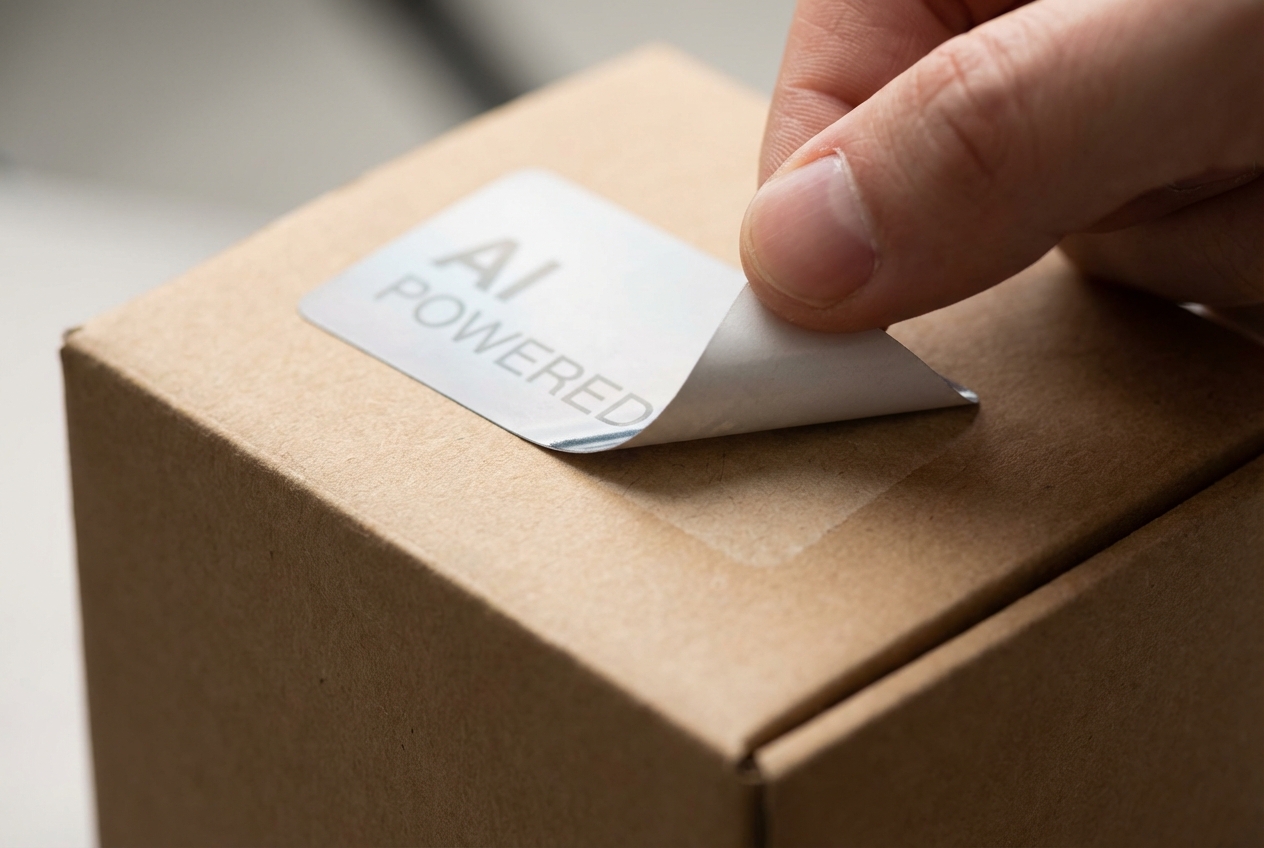
The SEC Is Coming for Your AI Claims
AI washing is the new greenwashing. The SEC created a dedicated unit to hunt it, and the first wave of enforcement cases is already here.
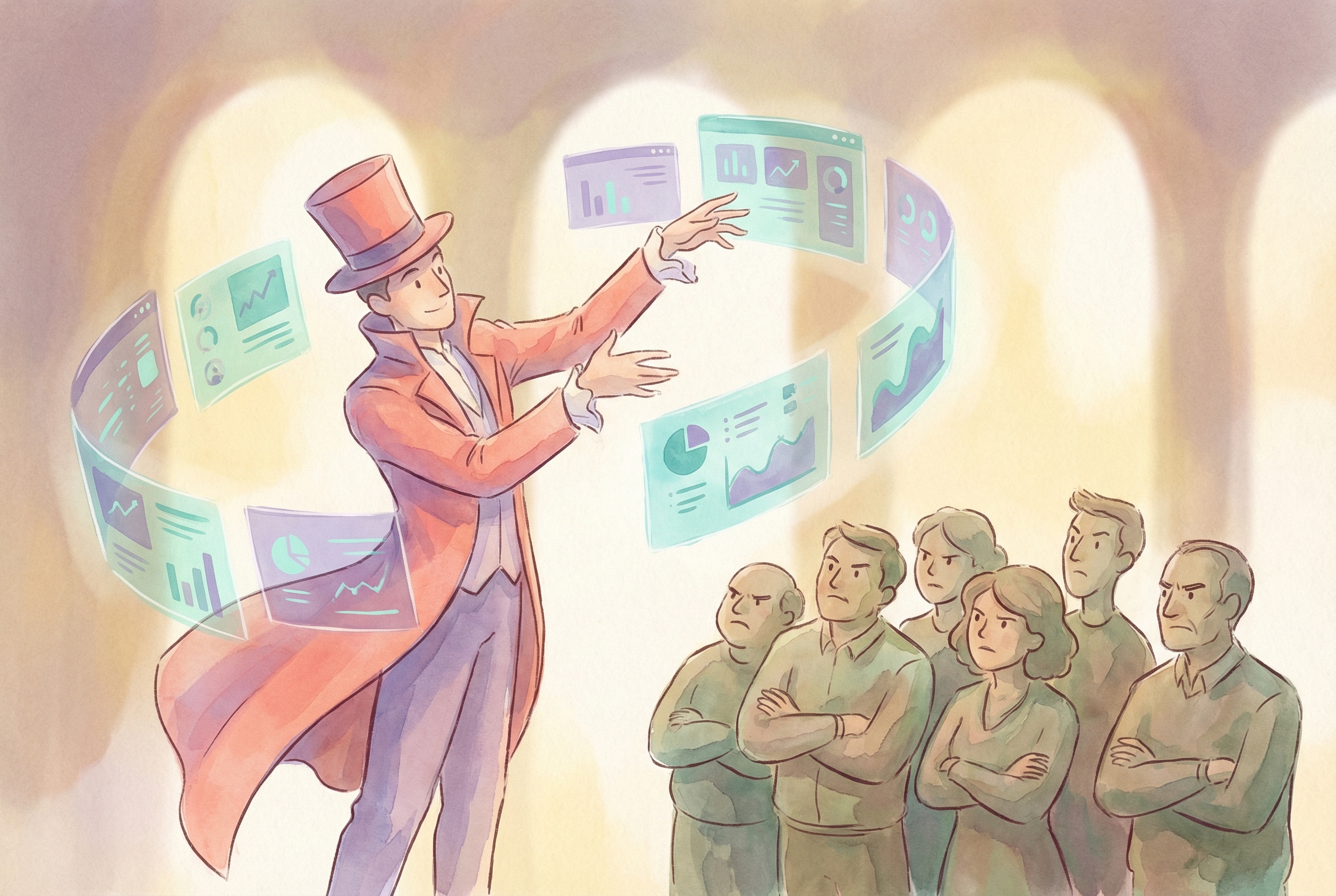
Your AI Demo Is Lying to You
The gap between AI demos and production reality has become a systemic problem, with vendor presentations designed to impress rather than inform.
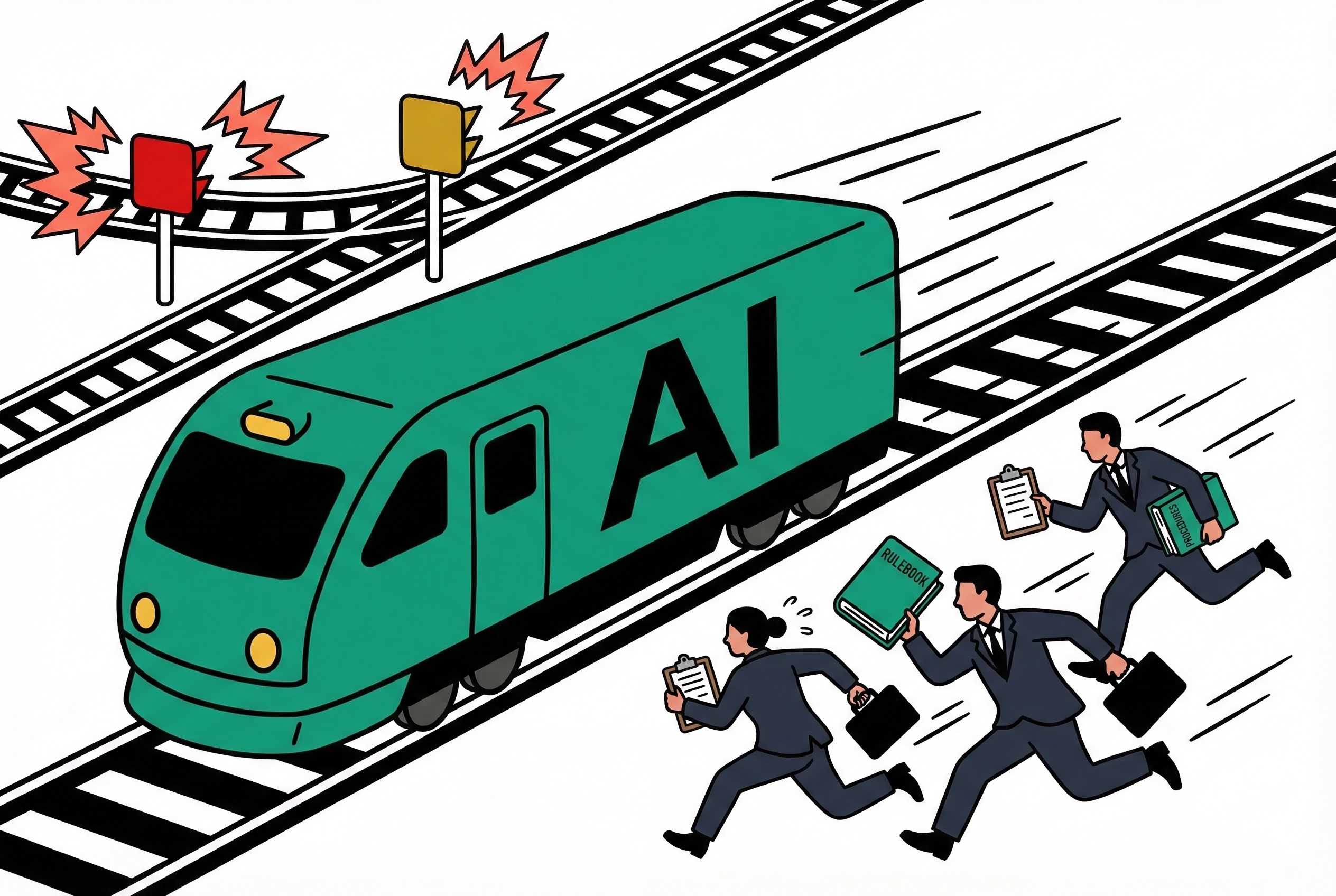
Your Company Doesn't Have an AI Problem. It Has a Governance Vacuum.
78% of leaders say AI adoption outpaces their ability to manage risks. 52% of AI initiatives run without formal oversight.