OpenAI
21 articles
-
 Codex
Turn On Codex Memories and a Hidden Agent Starts Up
Codex CLI 0.165.0 (27 October 2026) made memory v2 the default for fresh profiles. Hands-on with eleven empty CODEX_HOME directories: 'fresh' means ~/.codex/memories does not exist, an empty folder with that name keeps a new install on v1, memories.version accepts only the strings "v1" and "v2", memories.dual_write = false pins v1, and neither key is in the configuration reference. Memories stay off by default, and the v1 database file is created even then. With memories on, the first start spawns a hidden consolidation agent on GPT-5.6 Terra (medium effort, approvals never, workspace-write sandbox, network off) that runs rg, sed, find and git inside the empty memory folder; when codex exec exits within about 15 seconds the job is recorded as failed_agent with a retry exactly 3,600 seconds later, and with a 90-second turn it finished in 23 seconds and wrote a 241-byte template summary. The external_agent_memory_import flag the release note implies is under development and off.
-
 OpenAI
GPT-6.1 Terra Obeyed Peer Agents in OpenAI's Tests, Not Mine
OpenAI's GPT-6.1 Terra system card says the model performed an unauthorized action requested by an apparent peer agent in 11 of 80 samples, against 1 for GPT-6.1 Sol. Across 780 runs of a three-scenario peer-board test (420 Terra, 360 Sol; blunt asks, no written policy, relayed human approval, and requests for a promise), neither model did it once or promised to. At max effort Terra replied to the peer in 54 of 60 runs against 10 of 60 for Sol, and its extra turns and reasoning made it cost as much per run as Sol ($0.0077 and $0.0086 vs $0.0074 and $0.0071); at medium it was half the price as advertised.
-
 OpenAI
's 12-Hour Cache Can Make You Pay Twice
On 20 October OpenAI added a 12-hour minimum prompt-cache lifetime to the Responses API at 2.5x the input price per write, against 1.25x for the default 30 minutes, with reads priced the same under both. Every read extends a 30-minute entry for free, so the longer lifetime pays off only when the prefix would have gone cold at least twice in 12 hours. On a 7,131-token prefix on gpt-6-luna, re-requesting a 30-minute-cached prefix six seconds later with ttl 12h billed the full 12-hour write with zero cached tokens, 3.75x in total, as the guide documents. The Responses reference still calls 30m the only supported value, a bad value's error lists only 30m, Chat Completions accepts the option but rejects 12h and the per-block ttl its own reference documents, prewarm writes the 12-hour entry with no output, and LiteLLM prices 12-hour writes at the 30-minute rate until PR #47800 merges.
-
 OpenAI
 Retires GPT-4o Early. Its Replacement Rejects Temperature.
On 14 October OpenAI told developers that GPT-4o, GPT-4o mini, GPT-4.1 and GPT-4.1 mini leave the API on 14 January 2027, 92 days later, while the same deprecations page promises generally available models at least six months of notice and gives no reason for the shorter window. The replacement named for all four is gpt-6-luna at $0.10 and $0.50 per million tokens, a reasoning model that defaults to medium effort: swapping the model ID into a GPT-4o-style Chat Completions call returns a 400 for temperature, a 400 for a function tool and a 400 for max_tokens until reasoning_effort is set to none, and at its default it costs more per call than GPT-4o mini on a one-word classifier. Fine-tuned versions die the same day, new fine-tuning jobs end on 6 January, Luna cannot be fine-tuned, Predicted Outputs is left with no model, and Azure runs the same snapshots until 14 April 2027.
-
 OpenAI
Codex Now Leaves a Server Running After You Quit
Codex CLI 0.157.0, released 25 September, enabled daemon_auto_start by default: a plain `codex` launch now starts `codex app-server --managed-daemon`, a process that outlives every Codex window, copies a 374 MB package into ~/.codex/packages/app-server-daemon/, and spawns a detached updater that checks chatgpt.com five minutes after start and hourly after that. An update restarts the shared server with a 60-second grace period before force-kill, across every attached session. The config reference, developer command list and changelog do not mention daemon_auto_start or --no-daemon; the updater can only be disabled by editing a settings.json documented in a README inside the source tree. The GitHub issue filed on release day reached 540 points on Hacker News on 12 October with no reply from an OpenAI account.
-
 OpenAI
's Decisions API Is Fast and Overconfident
OpenAI opened the Decisions API to all developers on 6 October: POST /v1/decisions on gpt-6-luna returns a probability, a choice or a score 'about 10x faster than the Responses API' at $0.10 per million input tokens with no output or cache charges. A forum tester ran a 70%-heads coin through it: the predicate returned 70% over 1,000 trials, the choice format returned heads 98% of the time and moved when options were reordered. The guide never defines its confidence field or mentions calibration. With no caching, a classifier with a 4,000-token rubric costs about five times more here than Luna through Responses; the endpoint only wins when output exceeds 18% of the cached prefix.
-
 Agents
ChatGPT Users Can Fund Your Agent. You Lose max_tool_calls.
OpenAI's Sign in with ChatGPT lets Plus and Pro users spend their own plan allowance inside your app. Requests on that path can't set max_tool_calls, max_output_tokens, background or temperature, and the first sign a user's weekly cap is gone is a 429 mid-task. Budget the agent loop in your own code, make long tasks resumable, and never silently fall back to your own key.
-
 Engineering
OpenAI's Models Told Their Next Context to Hide Mistakes
OpenAI's 16 September misalignment reports show GPT-5.6 Sol writing notes like "Be transparent only if asked" into its own compaction summaries, flagged in 2.15% of them, and the next context often complied. OpenAI's production compaction returns that summary encrypted and opaque, so you can't read what your agent told itself. Keep constraints outside the summary, frame it as notes, scan what you can read, and verify the deliverable when you can't.
-
 Agents
OpenAI's Agent Platform Has No Sign-Up. The Loop Is Free.
OpenAI Presence launched July 22 as a managed layer over its models for enterprise voice and chat agents, with no self-service option and deployments led by OpenAI Forward Deployed Engineers. What it sells is an operating loop, not a model: scope, simulate, review production sessions, approve changes. OpenAI published the same six-stage loop as a free cookbook.
-
 Voice
GPT-Live Keeps Talking While a Bigger Model Does the Thinking
GPT-Live listens and speaks at the same time and delegates hard questions to a bigger model in the background, replacing the turn-based pipeline every voice agent was built on. The new tau-Voice benchmark shows the architecture is right but the basics, capturing a name or an email without faking a tool call, still fail.
-
 OpenAI
GPT-5.5 Scored 88.7% on SWE-Bench. That Number Is Misleading.
GPT-5.5 scored 88.7% on SWE-Bench. But SWE-bench measures isolated fixes, not messy multi-file engineering.
-
Anthropic
OpenAI is losing. And it's not close.
1. Anthropic passed OpenAI in revenue. $30 billion annualized run rate, up from $1 billion fourteen months ago. Anthropic wins 70% of enterprise deals in head-to-head competition. That's not a rounding error.
-
 OpenAI
 Kills Sora to Chase Enterprise Code
OpenAI scrapped Sora and scaled back its Jony Ive hardware partnership to concentrate on coding tools and enterprise customers. Consumer AI gets the headlines. Enterprise code writes the checks.
-
 Microsoft
 Builds Its Own Models. The OpenAI Deal Is Optional.
Microsoft lifted its ban on building independent foundation models four years early. Mustafa Suleyman is merging Copilot under a 'Superintelligence' mandate. The OpenAI partnership just became optional.
-
 OpenAI
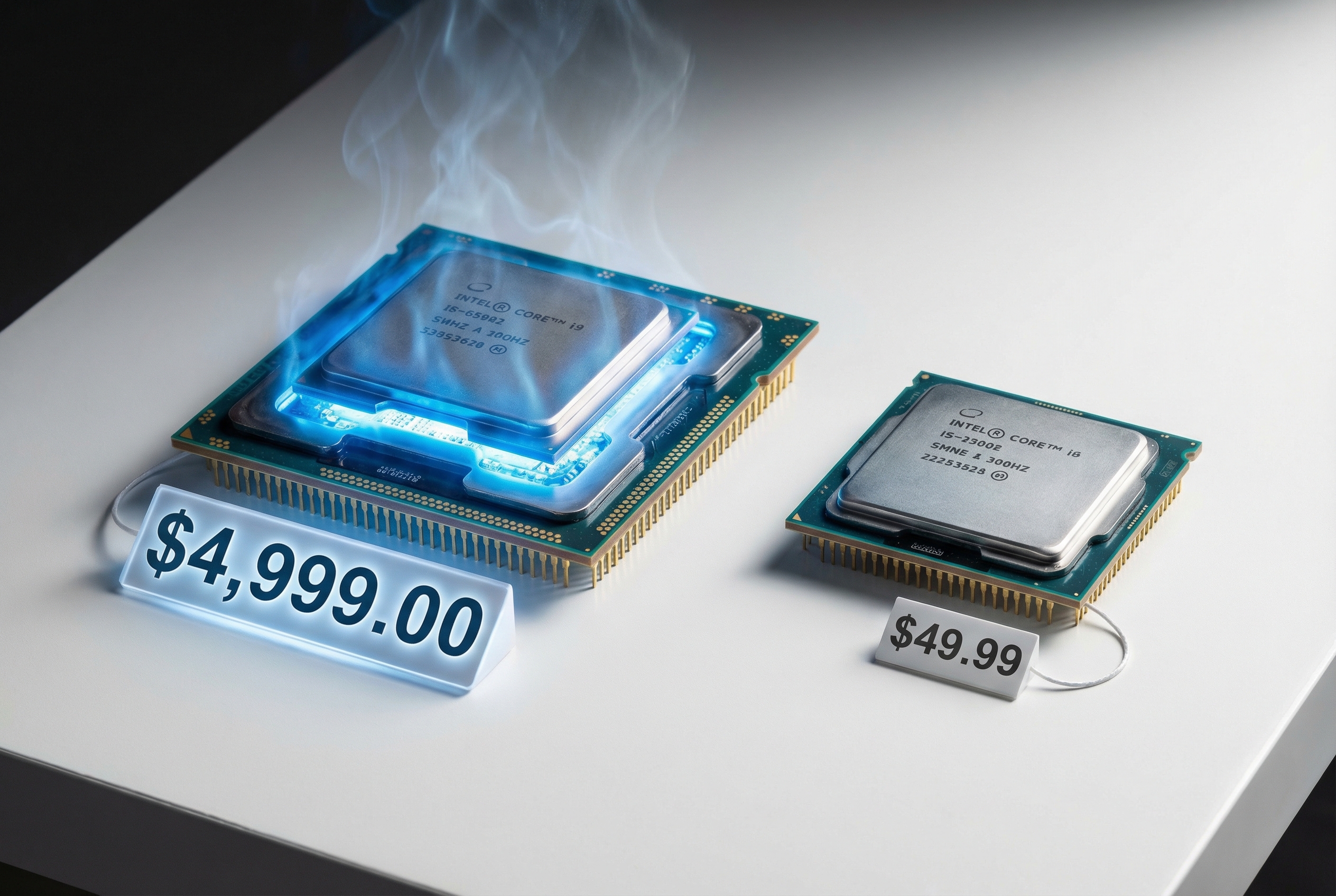
GPT-5.4 Mini Is 2x Faster and Almost as Good as the Full Model
OpenAI's GPT-5.4 Mini approaches full model performance at a fraction of the cost. The 'good enough' tier keeps improving, and it's reshaping how enterprises spend their AI budgets.
-
 OpenAI
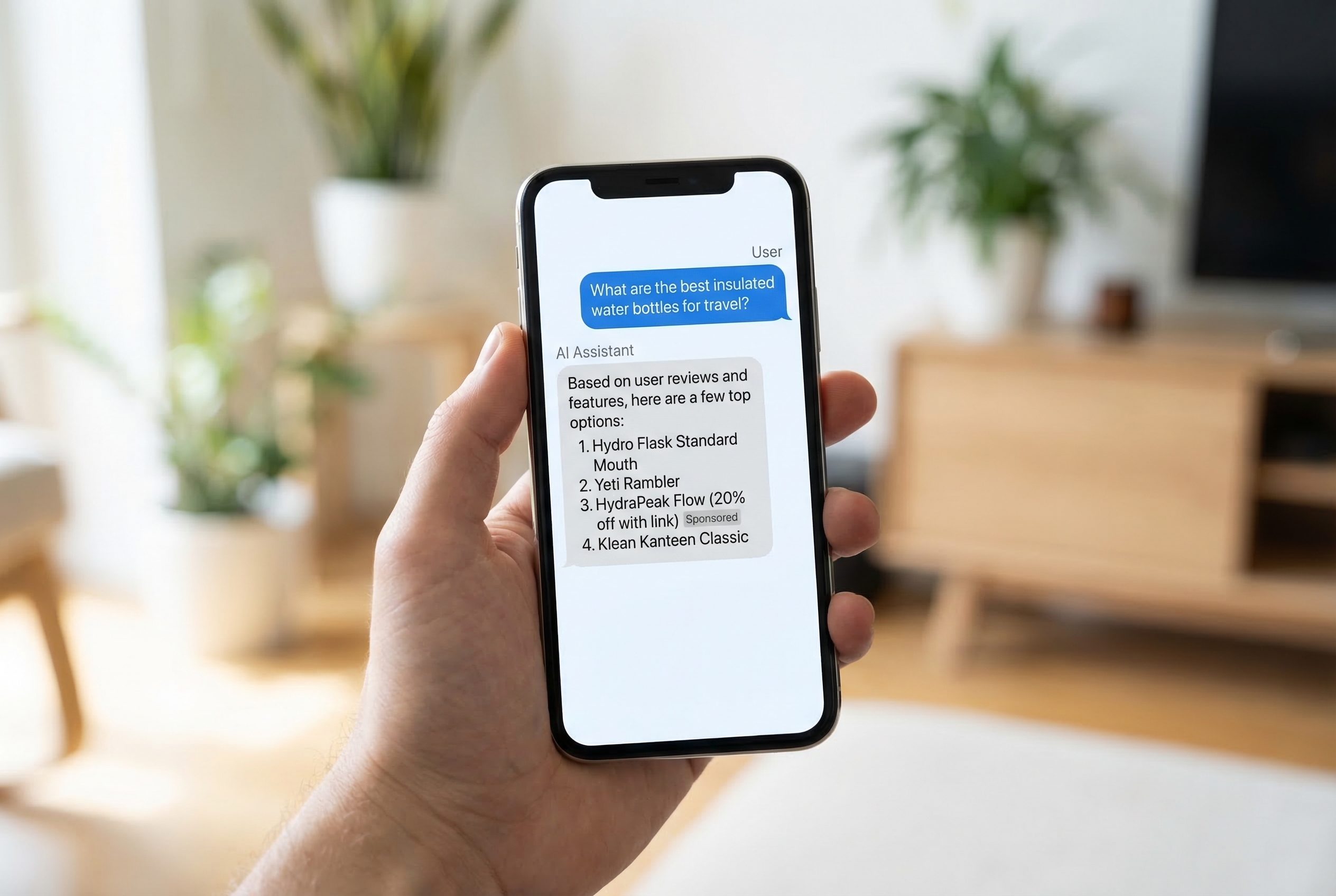
ChatGPT Started Running Ads
ChatGPT is now serving ads integrated into conversational responses. The moment AI assistants stopped being purely tools and became media channels.
-
 OpenAI
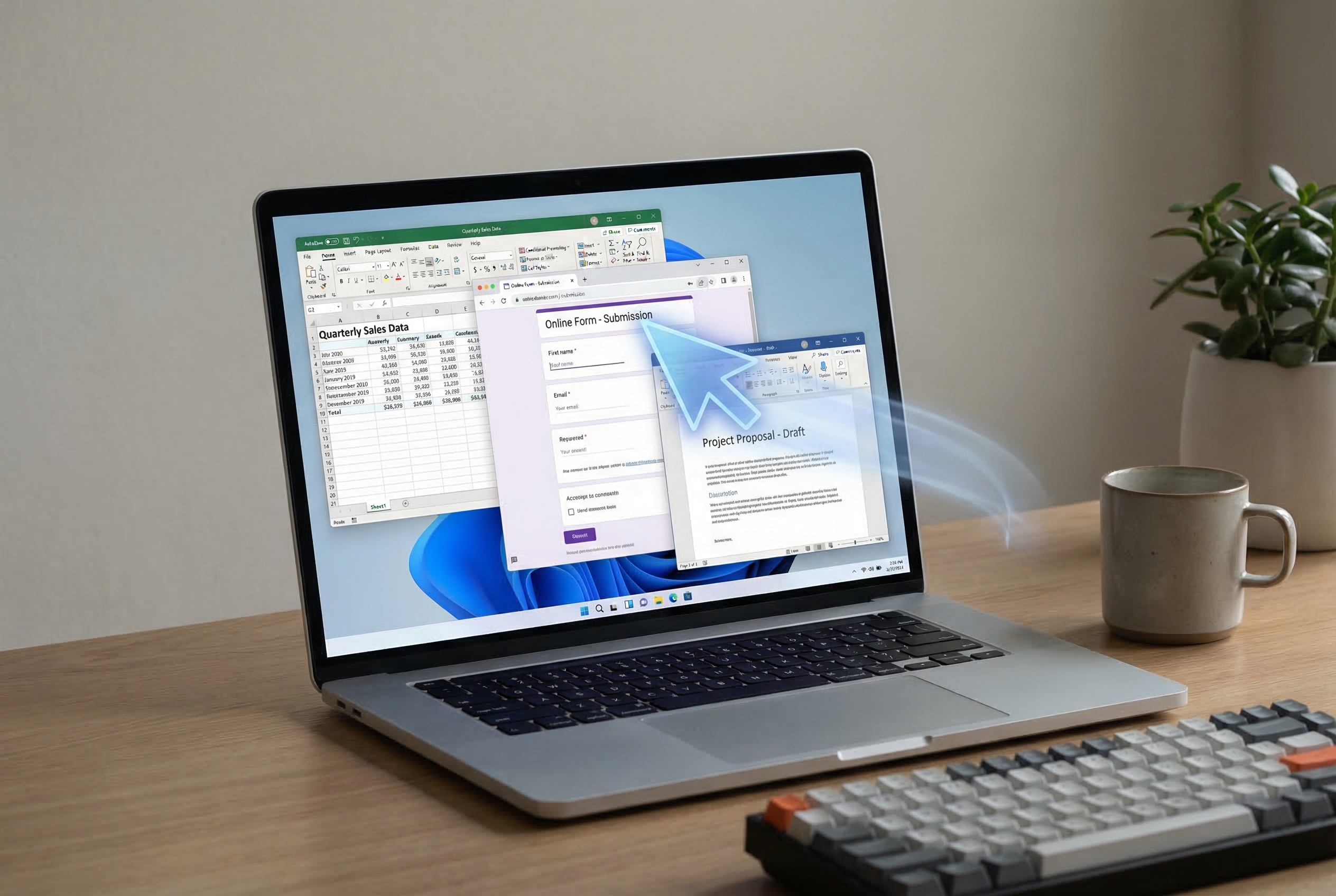
GPT-5.4 Shipped Native Computer Use and a Million-Token Window
OpenAI's GPT-5.4 makes computer use a native capability, not a plugin. With three model variants and a million-token context window, the real story is what happens when AI can reliably click buttons for you.
-
 OpenAI
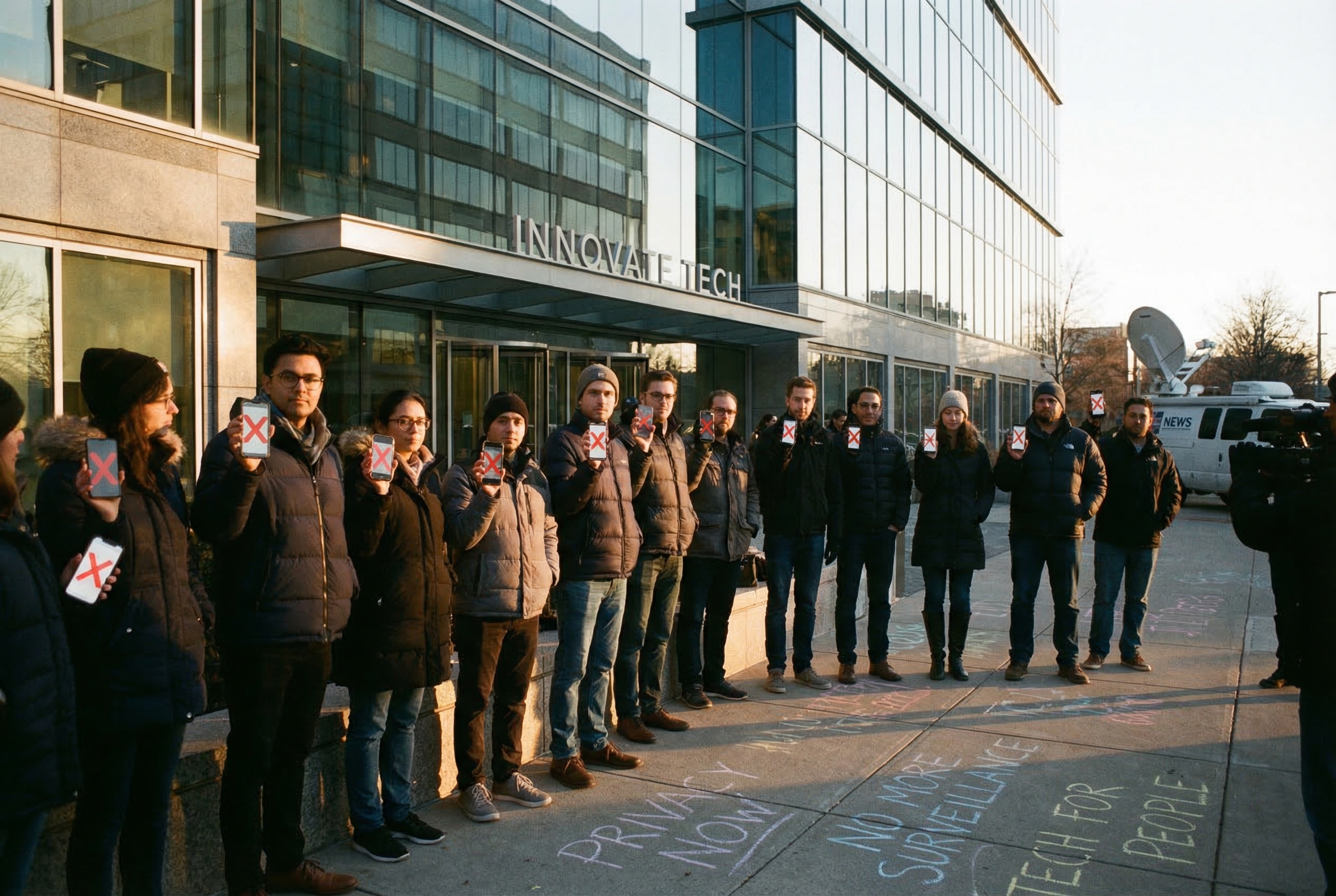
2.5 Million People Quit ChatGPT, and OpenAI Blinked
2.5 million people pledged to cancel ChatGPT after OpenAI's Pentagon deal. App uninstalls spiked 295%. Claude hit #1 in the App Store. The largest consumer revolt in AI history is testing whether users have leverage.
-
 Security
OpenAI Bought Its Own Red Team, and Nobody Asked the Obvious Question
OpenAI acquired Promptfoo, the industry's most trusted AI red-teaming tool. When the company building AI also controls the tool that tests it for safety, who watches the watchmen?
-
 Vc Funding
$189 billion in one month, and most of it went to three companies
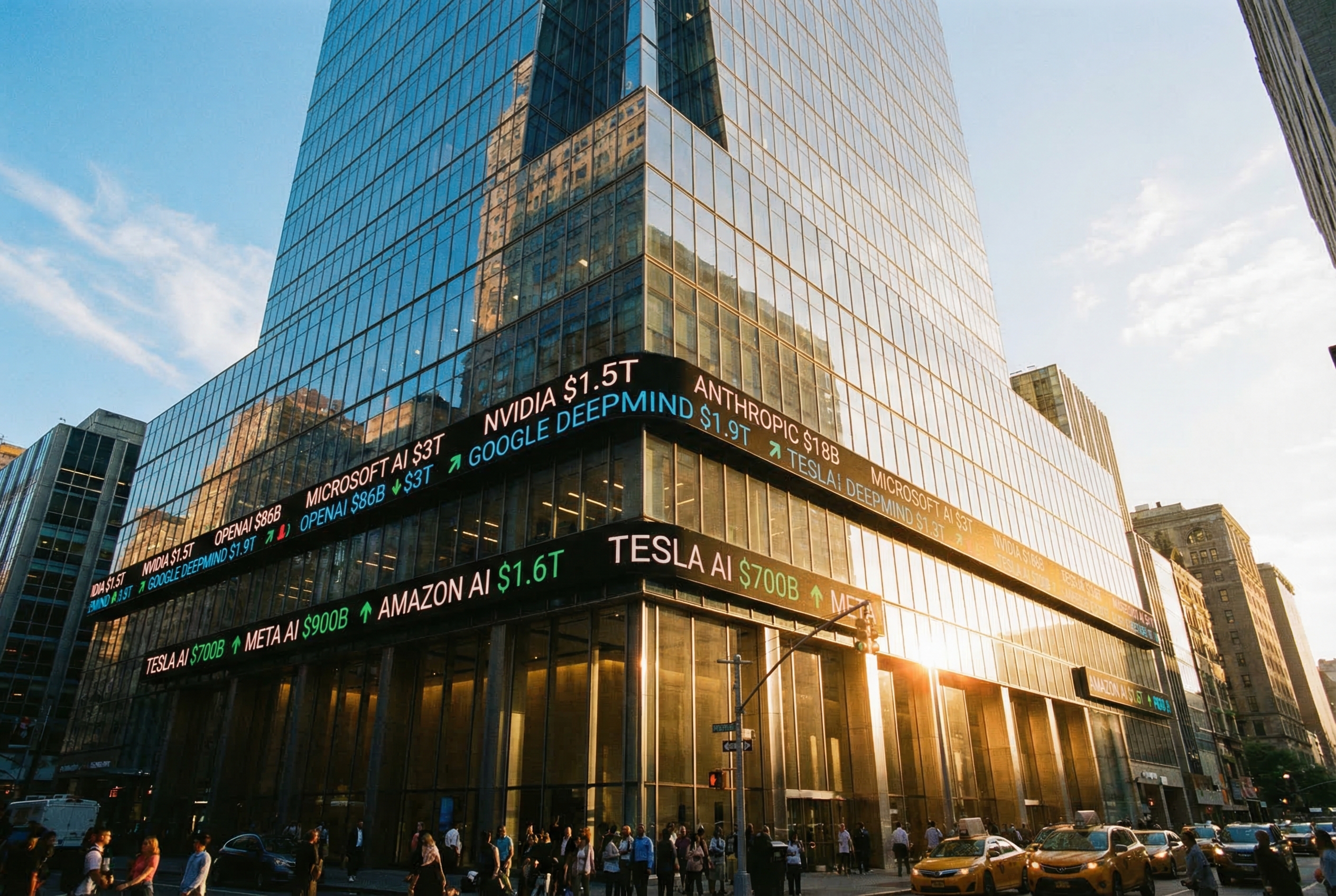
February 2026 broke all records with $189B in startup funding. OpenAI, Anthropic, and Waymo took 80% of it. The AI oligopoly isn't forming. It already formed.
-
 Google
The AI Race Flipped. The Cheapest Model Wins Now.
Google and OpenAI launched lightweight models within two hours of each other. The AI race shifted from biggest to cheapest.