- GPT-5.4 Mini is about 2x faster than its predecessor, costs roughly 15–20% of the full model, and nears full GPT-5.4 performance on several benchmarks.
- The industry pattern is consistent: frontier models launch first, then mini variants arrive weeks later delivering ~85–95% of capability at ~10–20% of the cost.
- The performance gap between “best” and “good enough” models is shrinking fast, making full frontier models unnecessary for many production workloads.
- Enterprise AI decisions are increasingly driven by cost curves, with teams running mini models for most tasks and reserving full models for the small slice where quality differences matter.
- As mini models close in, premium pricing for frontier access weakens, pushing providers toward volume-based business models built on cheap inference and scale.
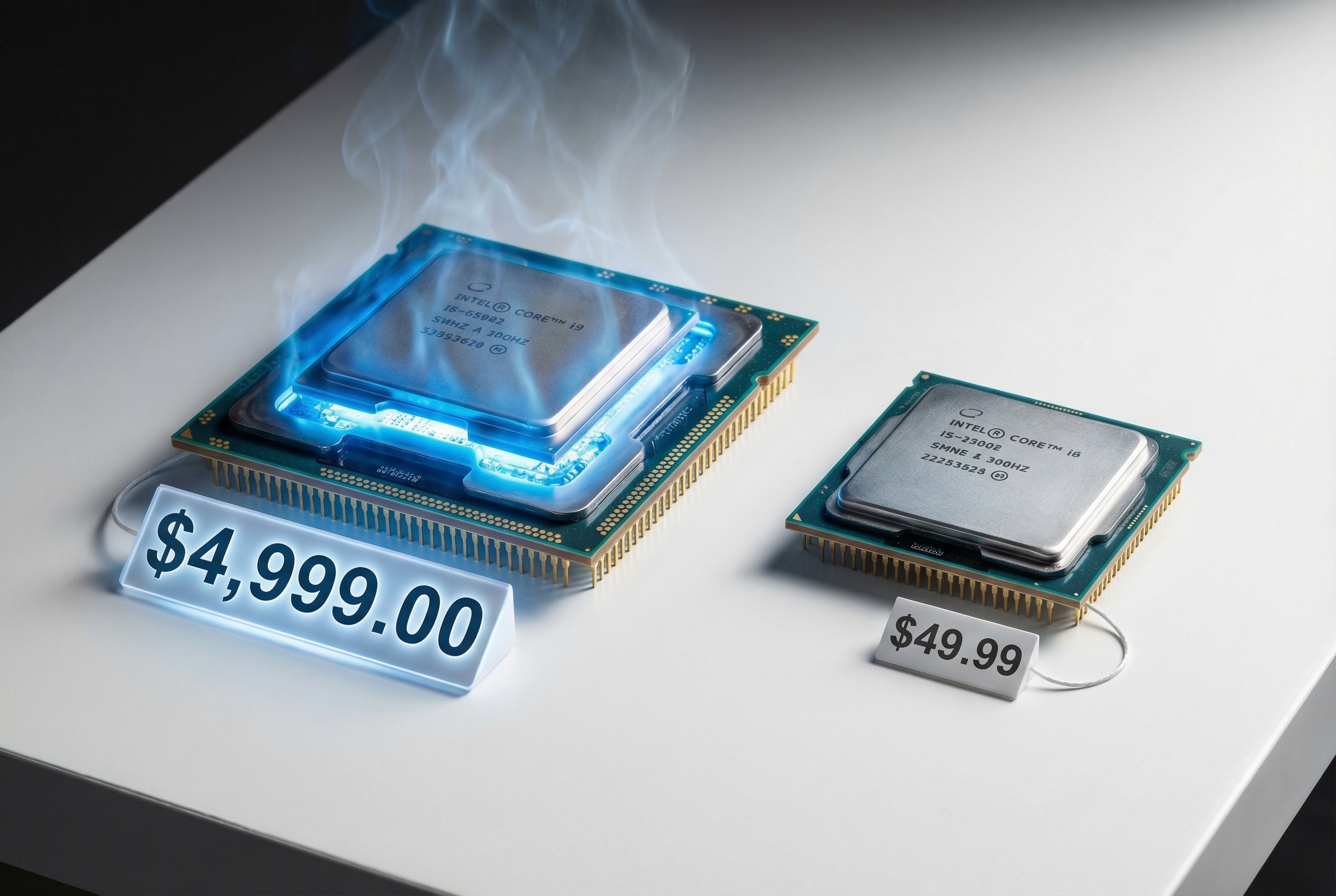
OpenAI released GPT-5.4 Mini on March 17, and the benchmarks tell a story the industry should pay attention to. Mini is twice as fast as its predecessor and approaches full GPT-5.4 performance on several key benchmarks. It costs a fraction of the full model to run.
This isn't a surprise. It's a pattern. Every major model release now follows the same playbook: ship the frontier model, wait a few weeks, ship a smaller variant that captures 85-95% of the capability at 10-20% of the cost. The frontier model gets the headlines. The mini model gets the production deployments.
The "good enough" tier keeps improving
The gap between the best model and the cheapest-adequate model is shrinking with every release cycle. A year ago, the performance difference between a frontier model and its mini variant was substantial enough to matter for most production tasks. That gap has compressed to the point where many workloads can't justify the cost of the full model.
| Model | Speed vs predecessor | Cost vs full model | Benchmark gap vs full |
|---|---|---|---|
| GPT-5.4 Mini | 2x faster | ~15-20% of full | Approaches full on several benchmarks |
| Claude Sonnet 4.6 | Faster than Opus | ~20% of Opus | Covers most production tasks |
| Nemotron 3 Super | 10x fewer active params | ~10% compute | Comparable on targeted tasks |
Three different companies, three different architectures, the same conclusion: you don't need the biggest model for most jobs.
What this means for AI budgets
Enterprise AI spending decisions are increasingly about the cost curve, not the capability ceiling. If GPT-5.4 Mini handles 90% of your use cases at 15% of the cost, the math is straightforward. You run Mini for everything, reserve the full model for the 10% of tasks where the quality difference is noticeable, and cut your inference bill by 70%.
This is already happening. Teams that deployed on frontier models in 2025 are migrating workloads down to mini variants and pocketing the savings. The ones that planned for this are fine. The ones that hard-coded a specific model into their production pipeline are rewriting integration code every quarter.
The strategic question for model providers
If mini models keep closing the gap with frontier models, the frontier model becomes a research artifact rather than a commercial product. You train it to push the boundary of what's possible, then you distill the knowledge into a smaller model that's actually deployable at scale.
OpenAI charges $200/month for ChatGPT Pro to access the full GPT-5.4. If Mini approaches Pro-level performance, the value proposition of that $200 subscription weakens. The same dynamic applies to every model provider charging premium prices for frontier access.
The business model that survives this dynamic is volume-based: cheap inference, massive adoption, revenue from scale rather than margin. The business model that doesn't survive is premium pricing for capability that mini models will replicate within weeks of each frontier release.
Design your AI stack assuming you’ll downgrade models over time: default to a mini model for most requests and route only the hardest cases to the full model. Avoid hard-coding a single model into production—build an abstraction layer so you can swap models each release cycle without rewrites. Keep an eye on benchmark deltas and real task quality, because once the gap is small, the cheapest model that meets your bar is usually the right choice.