- OpenAI’s Feb 28 contract to deploy models on classified Pentagon networks triggered a rapid, large-scale consumer backlash, with 2.5 million QuitGPT cancellation pledges by Mar 9.
- The revolt translated into measurable behavior: ChatGPT uninstalls spiked 295% in a day, protests formed outside OpenAI’s HQ, and Claude briefly overtook ChatGPT in the US App Store.
- This backlash succeeded where prior controversies didn’t because military use crossed a clear moral line for many users, collapsing trust quickly.
- User leverage was amplified by credible alternatives (Claude, Gemini, open-source) that lowered the cost of leaving without giving up AI tools.
- ChatGPT’s $20/month subscription made protest frictionless and repeatable, turning values-based objections into immediate revenue pressure.
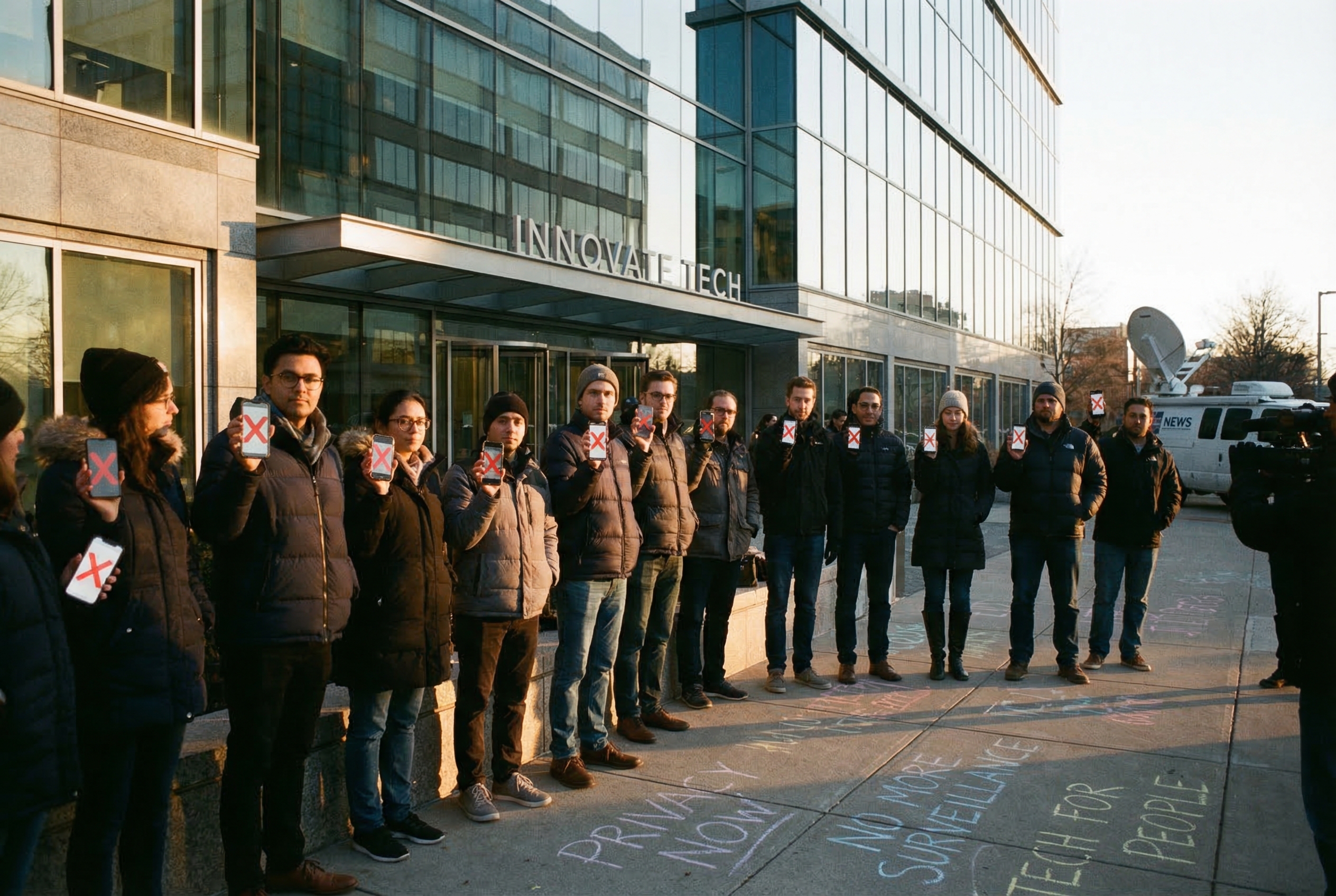
On February 28, OpenAI signed a contract to deploy its models on classified Pentagon military networks. By March 9, 2.5 million people had pledged to cancel their ChatGPT subscriptions. App uninstalls spiked 295% in a single day. Picket lines formed outside OpenAI's Mission Bay headquarters. And for the first time since its launch, Claude surpassed ChatGPT in the US App Store, driven entirely by users looking for an alternative.
The QuitGPT movement is the largest consumer revolt in AI history. It's also a test of something the industry has never confronted: whether the people who use AI products have any leverage over how those products get deployed.
What happened
The sequence matters because it reveals how fast trust can evaporate.
| Date | Event |
|---|---|
| Feb 28, 2026 | OpenAI signs contract to deploy models on classified US military networks |
| Mar 1 | First #QuitGPT posts appear on social media |
| Mar 2 | quitgpt.org launches, collects 500,000 pledges in 24 hours |
| Mar 3 | ChatGPT daily uninstalls spike 295% above average |
| Mar 4 | Physical demonstrations begin outside OpenAI's San Francisco headquarters |
| Mar 6 | Anthropic CEO Dario Amodei publicly refuses Pentagon request for unrestricted AI access |
| Mar 7 | Claude surpasses ChatGPT in US App Store rankings for the first time |
| Mar 9 | QuitGPT pledge count reaches 2.5 million |
The Pentagon deal itself wasn't surprising. OpenAI had been moving toward government contracts for over a year, quietly adjusting its charter language about "broadly distributed benefits" and restructuring from its original nonprofit model. The surprise was the speed and scale of the backlash.
Why this time was different
AI companies have faced criticism before. OpenAI's nonprofit-to-profit conversion drew scrutiny. Its treatment of safety researchers made headlines. None of it moved the needle on user numbers. This time did. Three things made the difference.
The military line
Every consumer technology company that has crossed into military applications has faced backlash. Google's Project Maven in 2018. Microsoft's HoloLens contract with the Army. Amazon's facial recognition sales to law enforcement. The pattern is consistent: a significant percentage of the user base considers military deployment a moral line, and crossing it triggers a response that no amount of corporate messaging can neutralize.
What makes AI different is the nature of the technology. A search engine used by the military is still a search engine. An AI model deployed on classified military networks is a fundamentally different capability, one that could involve target identification, surveillance analysis, or autonomous decision-making in contexts where the stakes are human lives. The abstraction between "I use ChatGPT to help me write emails" and "the same technology is being used in military operations" was too stark for millions of users to reconcile.
The available alternative
Previous AI controversies had no exit ramp. When OpenAI faced criticism over safety, there was no equivalent product to switch to. By March 2026, Claude, Gemini, and a range of open-source alternatives had closed the capability gap enough that leaving ChatGPT didn't mean giving up AI entirely. It meant switching providers. The cost of protest dropped from "lose access to AI" to "use a different app."
Anthropic's timing was either brilliant or lucky. Dario Amodei's public refusal to grant the Pentagon unrestricted access to Claude landed at exactly the moment millions of users were looking for an alternative that aligned with their values. Whether that was a principled stand or a market positioning play is debatable. The effect was not.
The subscription model
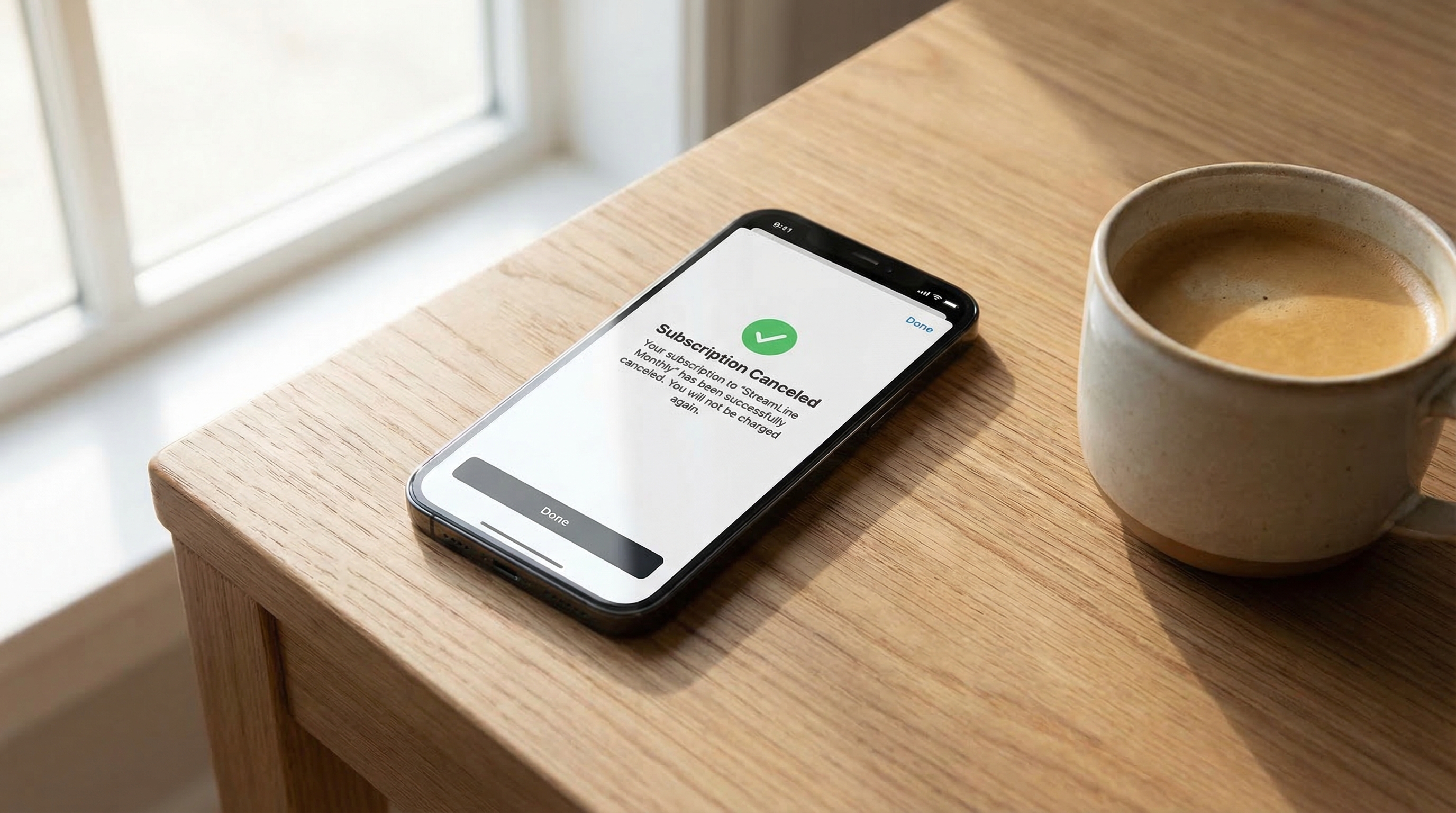
ChatGPT Plus costs $20/month. That recurring payment created a tangible, recurring decision point. Canceling a subscription feels like doing something. Deleting an app feels like doing something. The combination of a moral trigger, an easy alternative, and a concrete action created the conditions for a consumer movement that previous AI controversies never managed.
What the demands reveal
The QuitGPT movement coalesced around three demands:
| Demand | What It Means | Likelihood |
|---|---|---|
| No autonomous weapons development | Public, legally binding commitment to refuse fully autonomous weapons | Low, vague enough to redefine |
| No mass domestic surveillance tools | Refusal to build systems for bulk population monitoring | Medium, PR risk is high |
| Independent ethics oversight | External board with veto power over military contracts | Very low, contradicts corporate governance |
The demands reveal the fundamental tension in AI governance: users want input into decisions that are ultimately made by shareholders and corporate boards. A consumer boycott can apply pressure, but it can't change corporate governance structures. OpenAI can lose 2.5 million subscribers and still have hundreds of millions of users, plus enterprise contracts that dwarf consumer revenue.
What it actually changes
The honest assessment is: less than the movement hopes, more than OpenAI expected.
The consumer revenue loss is real but manageable. 2.5 million subscribers at $20/month is $600 million annualized, significant but not existential for a company valued at $300 billion. The reputational damage matters more. Enterprise clients making AI purchasing decisions now have to factor in the political risk of choosing OpenAI. Government contractors in allied nations have to consider whether alignment with US military AI affects their own regulatory standing.
The most lasting impact might be on the competitive landscape. Claude's App Store surge demonstrates that values-based differentiation works in AI. Anthropic's public refusal wasn't just ethics, it was market strategy. If the QuitGPT movement normalizes the idea that AI companies should be accountable for how their models are deployed, every AI company will have to make explicit choices about which contracts to accept, and those choices will become competitive differentiators.
The precedent
QuitGPT won't stop the Pentagon from using AI. The military will get its AI models, from OpenAI or from others, because the strategic imperative is too strong. What QuitGPT might do is establish that consumer AI companies face real consequences when they cross into military applications without transparency or consent.
That's a new dynamic. For the first time, millions of AI users demonstrated that they care about deployment context, not just product quality. They proved that switching costs in AI are low enough for values to influence market share. And they showed that the "move fast and worry about ethics later" playbook has a shelf life.
Whether OpenAI adjusts course or absorbs the loss and moves on will say a lot about whether consumer pressure can shape AI governance. The technology industry has a long history of surviving boycotts. But it also has a long history of underestimating how quickly trust, once broken, reshapes markets.
If you care how AI tools are deployed, treat your subscription and usage as leverage: review providers’ policies on military/government use and switch if they don’t match your values. Keep an eye on contract announcements, transparency reports, and policy changes, because trust can shift quickly and markets now have real substitutes. Even if you don’t plan to quit, having a backup assistant (or an open-source option) reduces lock-in and makes your choices more meaningful.