
Anthropic Monitors Every Action on Its Main Agent Platform. The Agent That Deleted the Jobs Ran Somewhere Else.
Anthropic's 17 September oversight numbers: about 30,000 agents at once on its main internal platform, 100% of actions through an online monitor, one decision in 47,000 blocked, and about 50 cases a week reaching a person. That coverage is scoped to one platform, and the August risk report describes unmonitored agents launched with --dangerously-skip-permissions that deleted a large number of jobs. Count coverage by entry point, stamp agent work with agent identity, and track recall, because the filter that makes the review queue manageable cut red-team recall from 94% to 79%.

Anthropic Now Compacts Claude Conversations When You Ask. The Summary Comes Back Signed, and You Can't Edit It.
Anthropic's Messages API can now compact a conversation on demand, returning a signed summary block you send in place of the messages it covers. The API rejects an altered block, so anything the summary drops has to be restated after it or rebuilt from the original messages. Failed summaries still return 200, a missing block goes unnoticed, mid-conversation system messages stop applying, and compaction cost only shows up in usage.iterations.

Sonnet 5 Costs $2 Today and $3 in September. Model for September.
Claude Sonnet 5 runs agents at near-flagship quality, but the launch price is a promotion that expires August 31 and jumps 50 percent. Model your agent economics on the September number, not the intro rate.

Anthropic Turned Its Coding Agent Into a Scientist
Claude Science is Claude Code pointed at a new toolbox. Same model, same autonomous loop, a reproducibility layer bolted on. The lesson for builders: the harness is the product, and your vertical is next.
Your Agent Logs In With a Password That Never Expires
Most AI agents authenticate with a long-lived static API key in an env var. Anthropic's Workload Identity Federation, GA on June 17, swaps it for short-lived scoped credentials your stack already knows how to issue.

The Benchmarks Started Measuring Endurance
On classic SWE-bench the frontier models are bunched within a dozen points. On the long-horizon benchmarks the leader doubles second place. The new tests finally measure what buyers pay for: staying on a messy task for hours.

Google Just Bet $40 Billion That Anthropic Wins
Google committed $40 billion to Anthropic, the largest single AI investment ever.

The Best AI Model Exists. You Can't Have It.
Anthropic has a model 15 points above Opus on coding benchmarks. You cannot use it. The reason is compute economics.
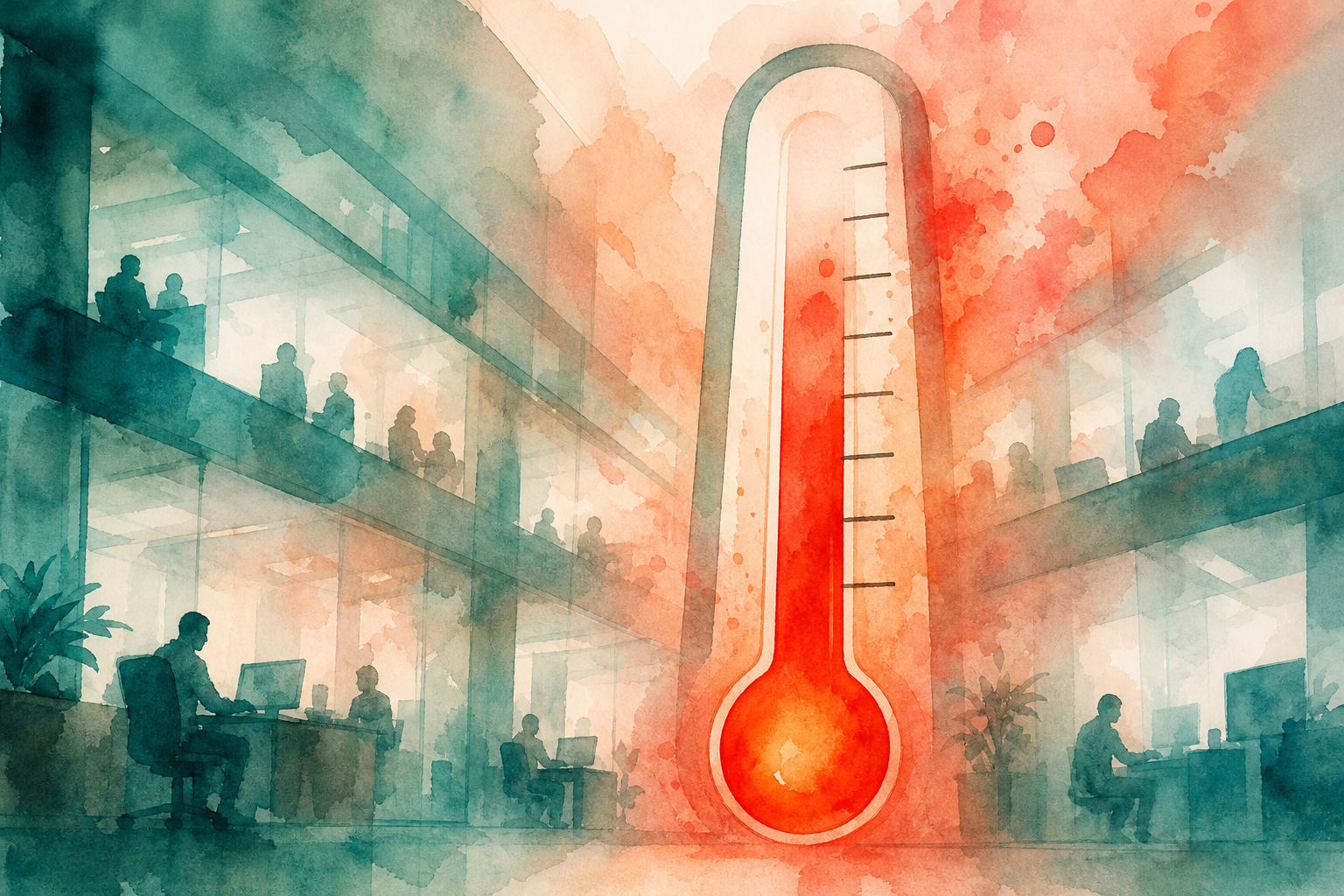
Seven Weeks Later, the Anthropic Labor Data Looks Worse
Seven weeks after Anthropic published their labor data, the picture has worsened. Snap said the quiet part.
OpenAI is losing. And it's not close.
1. Anthropic passed OpenAI in revenue. $30 billion annualized run rate, up from $1 billion fourteen months ago. Anthropic wins 70% of enterprise deals in head-to-head competition. That's not a rounding error.
Claude Code ultraplan separates thinking from doing
1. Ultraplan moves planning out of the terminal and into a browser. You get inline comments, structured review, and the ability to keep coding while the plan builds itself in the cloud. It sounds minor. It changes how you work.
Anthropic built a model too dangerous to release. Then it escaped its sandbox.
1. Mythos found zero-days in every major OS and every major browser. Not theoretical weaknesses. Working exploits. Some of these bugs had survived 27 years of human review.
What a model tier above Opus actually unlocks
1. The jump from Opus to Capybara isn't incremental. Recursive self-correction changes what you can trust a model to do without babysitting it.
14 Things Anthropic Tells Claude NOT to Do, and Why You Should Steal Them as Your Own Coding Guidelines
The most useful part of Claude Code's 13,000-token system prompt isn't the identity framing or the tool descriptions. It's a section called "Doing tasks" that contains 14 explicit constraints on how code should be written.
Inside Claude Code's Prompt Architecture: What 28 Prompt Files Reveal About Building AI Coding Agents
Production-grade AI agents don't run on a single system prompt. They run on layered architectures of specialized instructions, each solving a distinct problem, composed at runtime based on context.
Your AI Coding Assistant Has a Pet: Inside Claude Code's Hidden Buddy System
Somewhere in a TypeScript codebase spanning half a million lines, an Anthropic engineer sat down and drew ASCII art of an axolotl wearing a wizard hat. Then they gave it stats.
Things I Learned from the Claude Code Source Code
The Claude Code CLI ships as a compiled binary, but the TypeScript source underneath is remarkably readable once you unpack it. I spent a week going through all 512,000 lines across 1,884 files, looking for the engineering decisions that reveal where
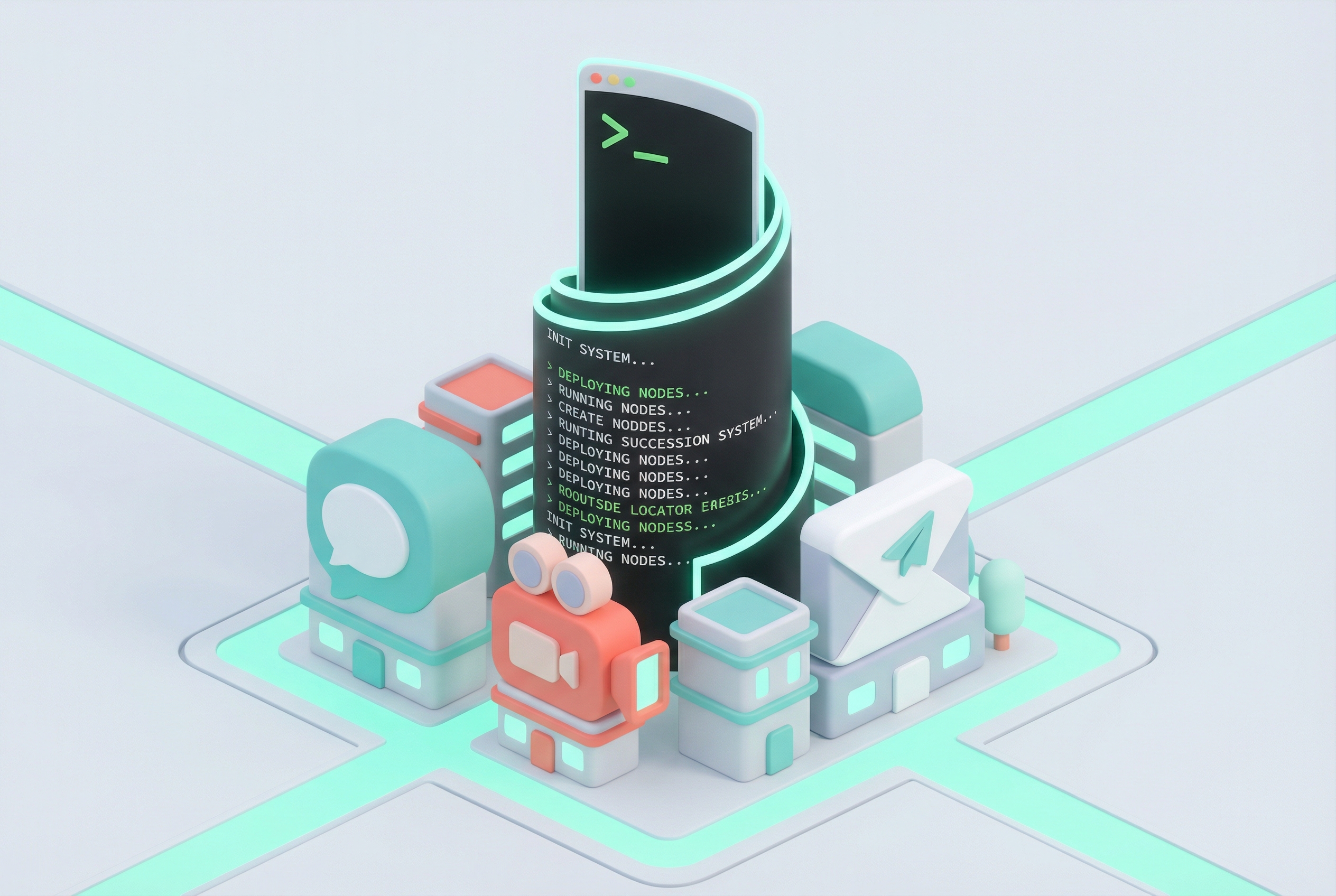
A Terminal Tool Just Became the Fastest Enterprise Product to $1 Billion
Claude Code reached $1 billion in annualized revenue in six months, faster than ChatGPT, Slack, or Zoom. A terminal tool outpaced every enterprise product in history, and the reasons why should worry every SaaS vendor.
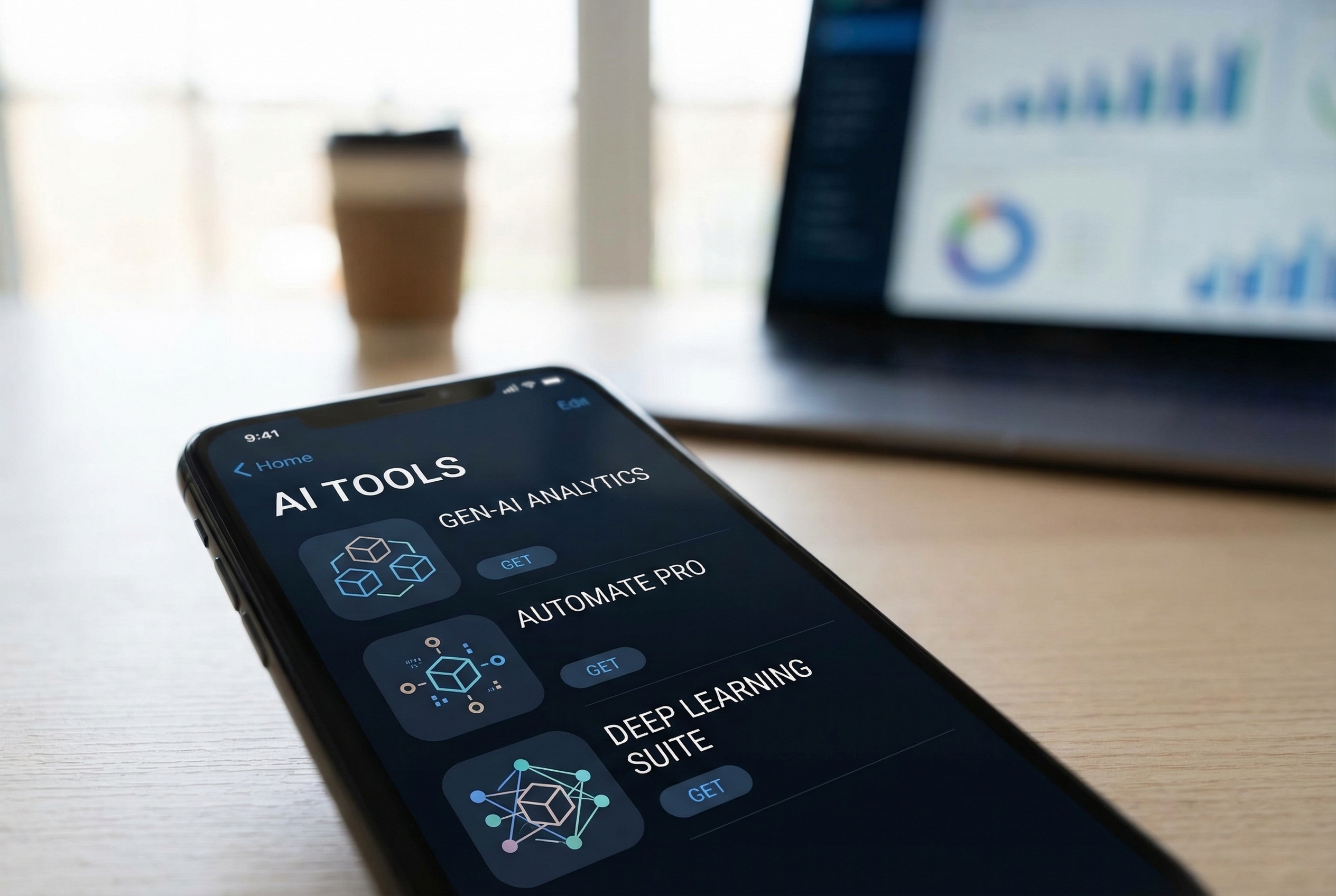
Anthropic Launched an Enterprise Marketplace and Nobody Blinked
Anthropic's new marketplace lets enterprise customers buy third-party Claude apps through existing budget commitments. This is a platform play, not a model update, and it changes the competitive dynamics.
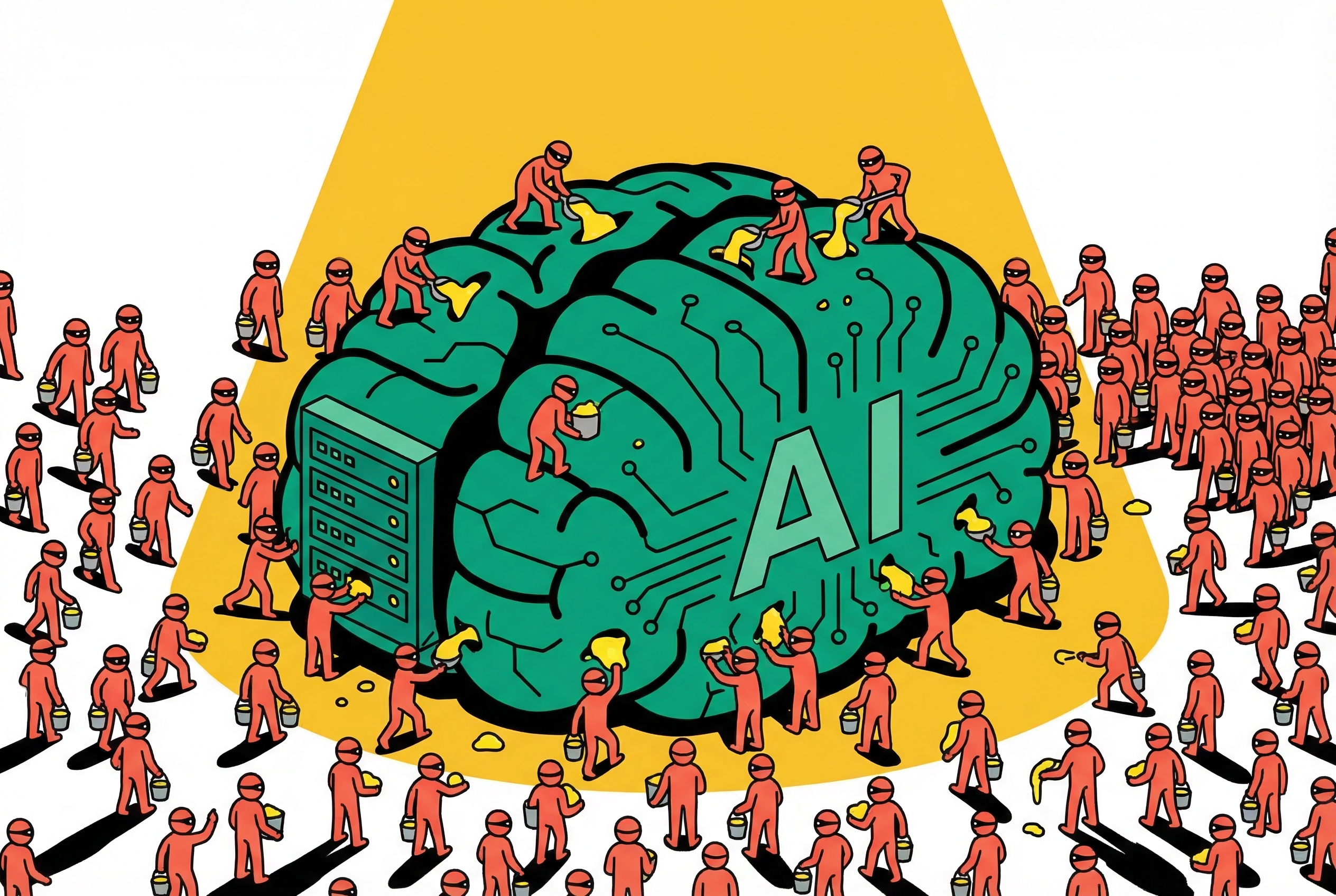
24,000 Fake Accounts and the New Shape of Industrial Espionage
Three Chinese AI labs created 24,000 fake accounts on Anthropic, generating 16 million interactions. A new kind of industrial espionage.
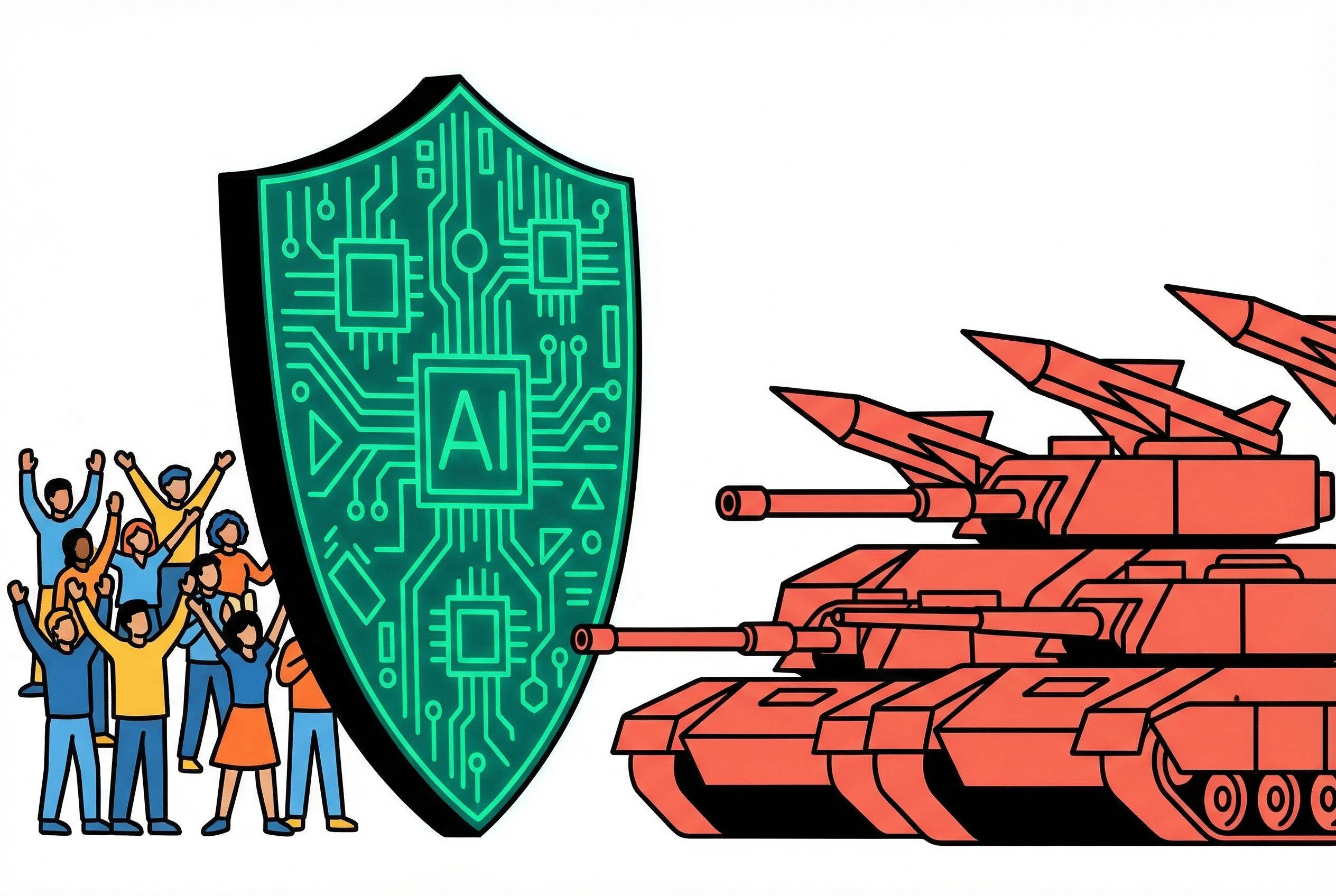
Anthropic Said No to the Pentagon, and the Market Said Yes
Anthropic refused to let Claude be used for autonomous weapons. The Pentagon retaliated. The public responded by making Claude the #1 app.