Anthropic Gave Agents a Standard for Lab Hardware. The Manifest Came Back.
Anthropic opened the research preview of the Model Hardware Standard on 27 August, letting agents drive microscopes, liquid handlers and the lasers inside a quantum computer. The MHS driver auto-generates a per-device file listing capabilities and safety limits, enforced at the device rather than requested of the model. That is a static, inspectable manifest, the exact artifact that has been dissolving on the software side of the agent stack all year.

Salesforce Exposed Its Whole API as Four MCP Tools. Your Permission Set Is the Tool List Now.
Claudeforce launched on 26 August, and Salesforce in Claude runs on the Headless 360 MCP server, which puts the entire Salesforce API behind four tools. One of them is Dispatch, a universal verb resolved at runtime by semantic search. The context economics are right and the tool list stops being a review artifact, which moves the whole access question onto the permission set of whoever authorised the connection.

MCP Went Stateless, and the Sticky Session Was the Whole Problem
The 2026-07-28 MCP release candidate makes the protocol stateless, no handshake and no session id, so any request can hit any server instance. That deletes the sticky routing and shared session store most remote MCP servers were built around and lets them run behind a plain load balancer.
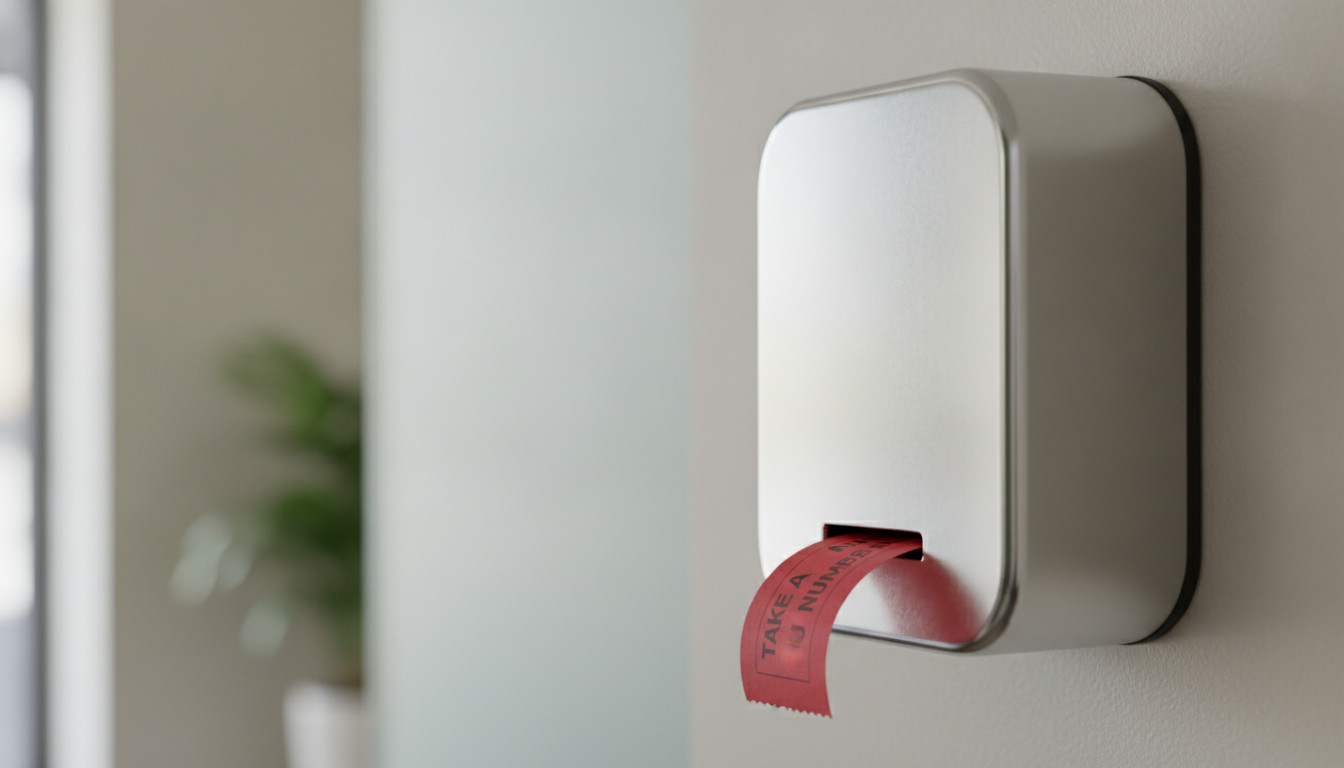
The Tool Call Now Returns a Ticket, Not a Result
MCP's release candidate makes Tasks a first-class extension: a tool call can hand back a handle instead of an answer, because agent work stopped fitting inside one request. Here is what changes if you build MCP servers.

MCP Went Stateless. Your State Didn't Disappear, It Moved.
The July 28 MCP spec removes the protocol session, so any request can hit any server instance and a remote MCP server can finally run behind a plain load balancer. The catch: the state you kept in the session does not vanish, it moves into opaque handles you have to design yourself.

Three MCP Servers, 72 Percent of the Context Gone
Every tool an MCP server exposes loads its full definition into the agent's context at the start of the conversation, used or not. One team measured three servers eating 143,000 of 200,000 tokens before the agent read a single instruction, and a benchmark found MCP costing 4 to 32 times more tokens than a CLI for identical work. Use MCP for discovery, dispatch to a CLI for execution.
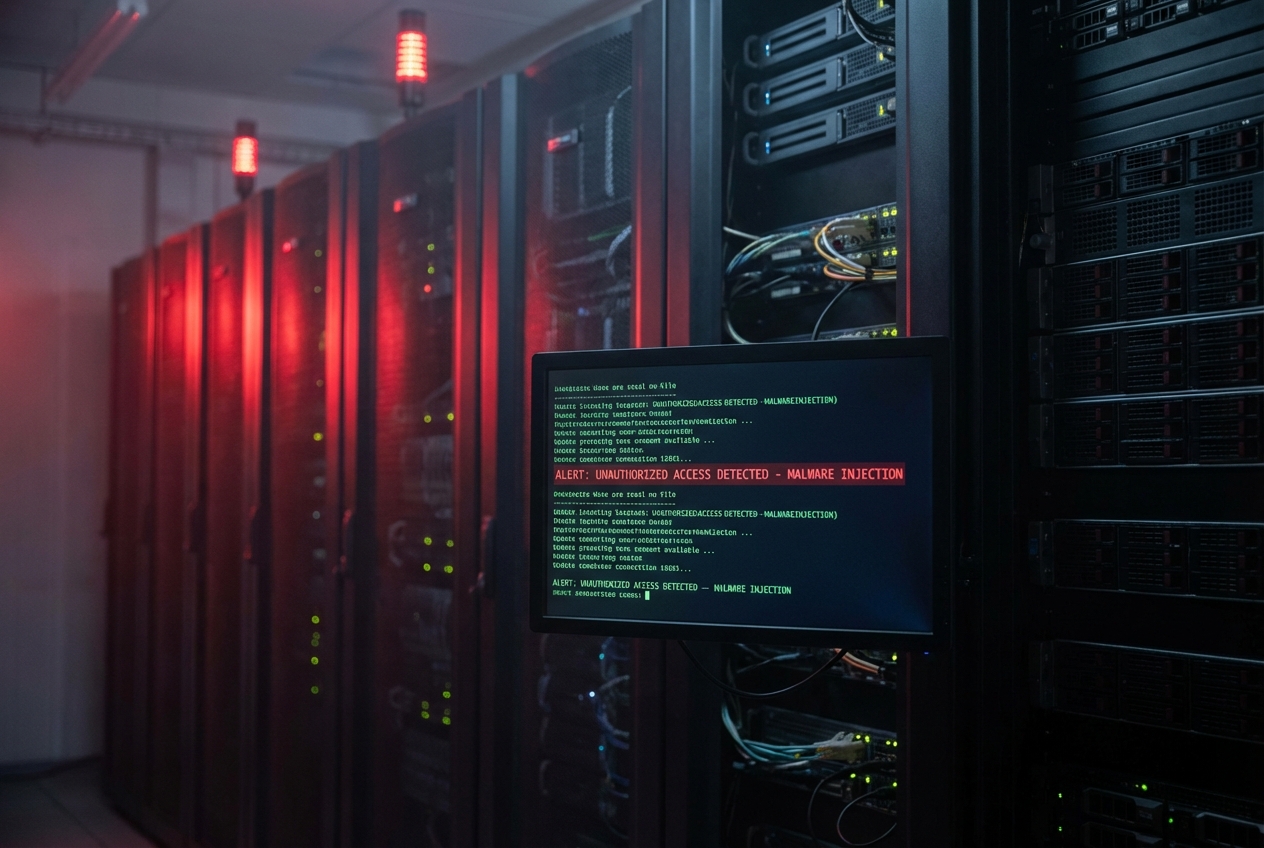
MCP Gave AI Agents Superpowers. Attackers Noticed.
The protocol that lets AI agents use tools also gave attackers a new attack surface. January 2026 showed us how bad it can get.